

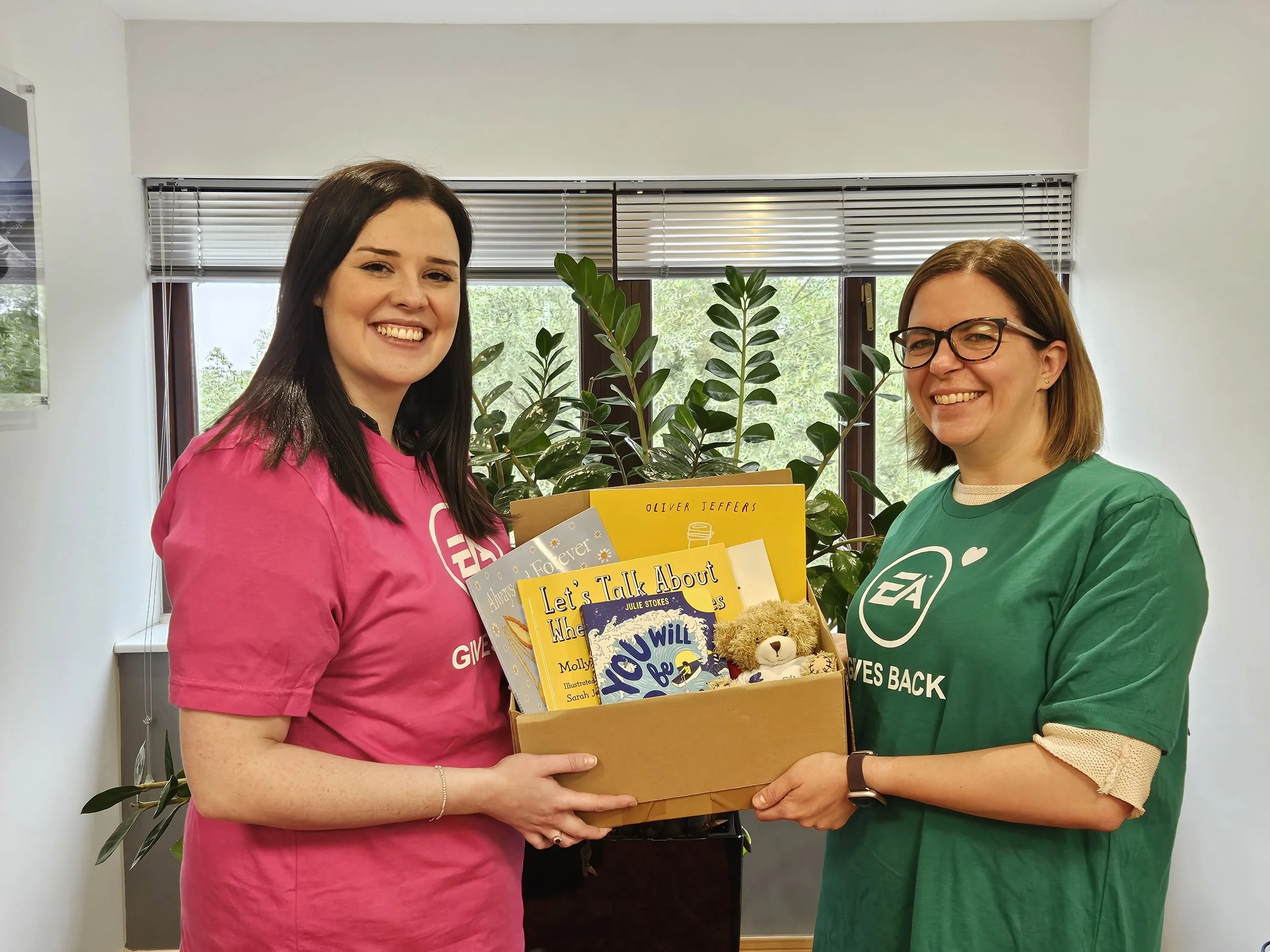
Supporting schools to support bereaved children: Bereavement Resource Packs
When a child experiences the death of someone important to them, the adults around them often want to help but may not know what to say, what to do or where to find appropriate resources.
Schools have an important role to play. Children spend a big part of their daily lives at school, and teachers and other school professionals may be among the people who notice changes in a child's behaviour, relationships, concentration or emotional wellbeing following a bereavement.
Schools also have a role in helping children develop an understanding of death and bereavement before they are personally affected by it. This wider role for schools is particularly relevant from September 2026, when revised statutory Relationships, Sex and Health Education (RSHE) guidance in England includes content on bereavement. Schools have flexibility in how they deliver this content, but it provides an opportunity to consider both how bereavement is taught and how schools support children when a death happens.
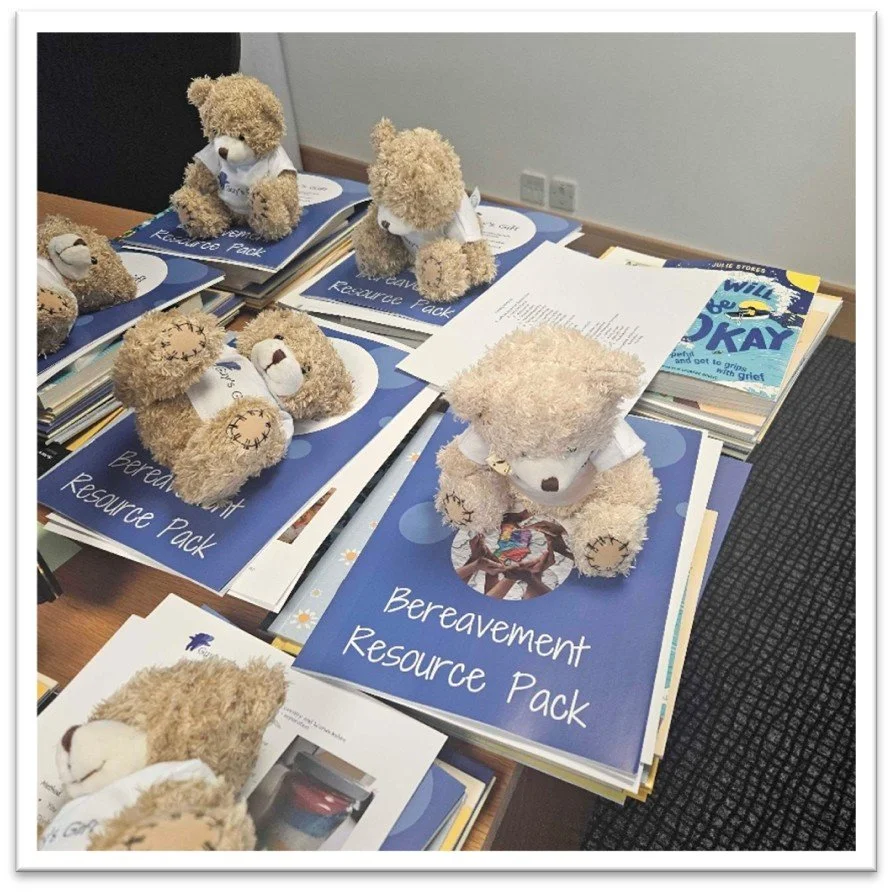
Our Guy’s Gift Bereavement Resource Packs can support both of these areas of work. The packs provide age considered books, activities and information that schools can use to develop children's understanding of bereavement, as well as practical resources to support a child or young person following a death.
In 2020, Guy's Gift launched our Bereavement Resource Packs to help schools support children and young people following a death. Since then, the packs have developed alongside our wider work with schools and professionals across Coventry and Warwickshire.
What are Bereavement Resource Packs?
We provide separate Primary and Secondary Bereavement Resource Packs, with resources chosen to reflect the different ages and stages of development of children and young people.
The packs contain books, activities and information that school staff can use when supporting a bereaved child. There are also resources that can be shared with parents/carers. The aim is to give professionals practical resources they can use alongside their existing knowledge and skills. A book might provide a starting point for a conversation. An activity might give a child a way to explore feelings or memories without having to find the words themselves. Information for adults can help staff and parents/carers think about how best to respond and where to find further information or support.
There is no single way for a child to grieve, so the packs contain a range of resources rather than prescribing one particular approach.
How are the packs used?
Schools use the resources in different ways, depending on the child, their age and the circumstances of the bereavement.
A book might be shared with a child individually, used as part of a conversation or activity, or loaned to a family to use at home. Other resources can help children explore feelings, memories and some of the changes that can follow a death.
The packs can also be used as part of a school's wider approach to bereavement education. The new RSHE guidance provides an opportunity for schools to consider how they teach children about death and bereavement, as well as how they respond when a child in their school experiences a death. Our packs contain some great, age appropriate books that can support both aspects of this work.
Having appropriate resources readily available also means that school staff do not have to start searching for something suitable when a bereavement happens.
The packs are complemented by our monthly Support to Support drop-in sessions for school staff and other professionals. These sessions give professionals an opportunity to ask questions, discuss situations they are supporting and develop their knowledge and practical skills around childhood bereavement.
The two elements work alongside each other: the packs provide practical resources to use, while the drop-in sessions help professionals develop the knowledge and confidence to support grieving children.
We know from talking with schools that both the packs and the drop-in sessions are helping to build their confidence to support grieving children and young people. This is just what we hoped this project would create, way back in 2020.
Developing the packs
The Bereavement Resource Packs have not remained a fixed selection of resources since they were launched in 2020.
We regularly review what we include, drawing on our daily experiences working directly with bereaved children and young people, and with the professionals supporting them.
We also ask the people using the packs what they think. Feedback from schools has helped us know which resources are useful in practice, what is not being used and where there may be gaps. This has helped us make decisions about what we keep, replace or add to future packs.
Not every resource will be right for every child, so we aim to provide a variety of approaches and materials. This means the packs continue to develop rather than just being reproduced year after year.
Supporting schools across Coventry and Warwickshire
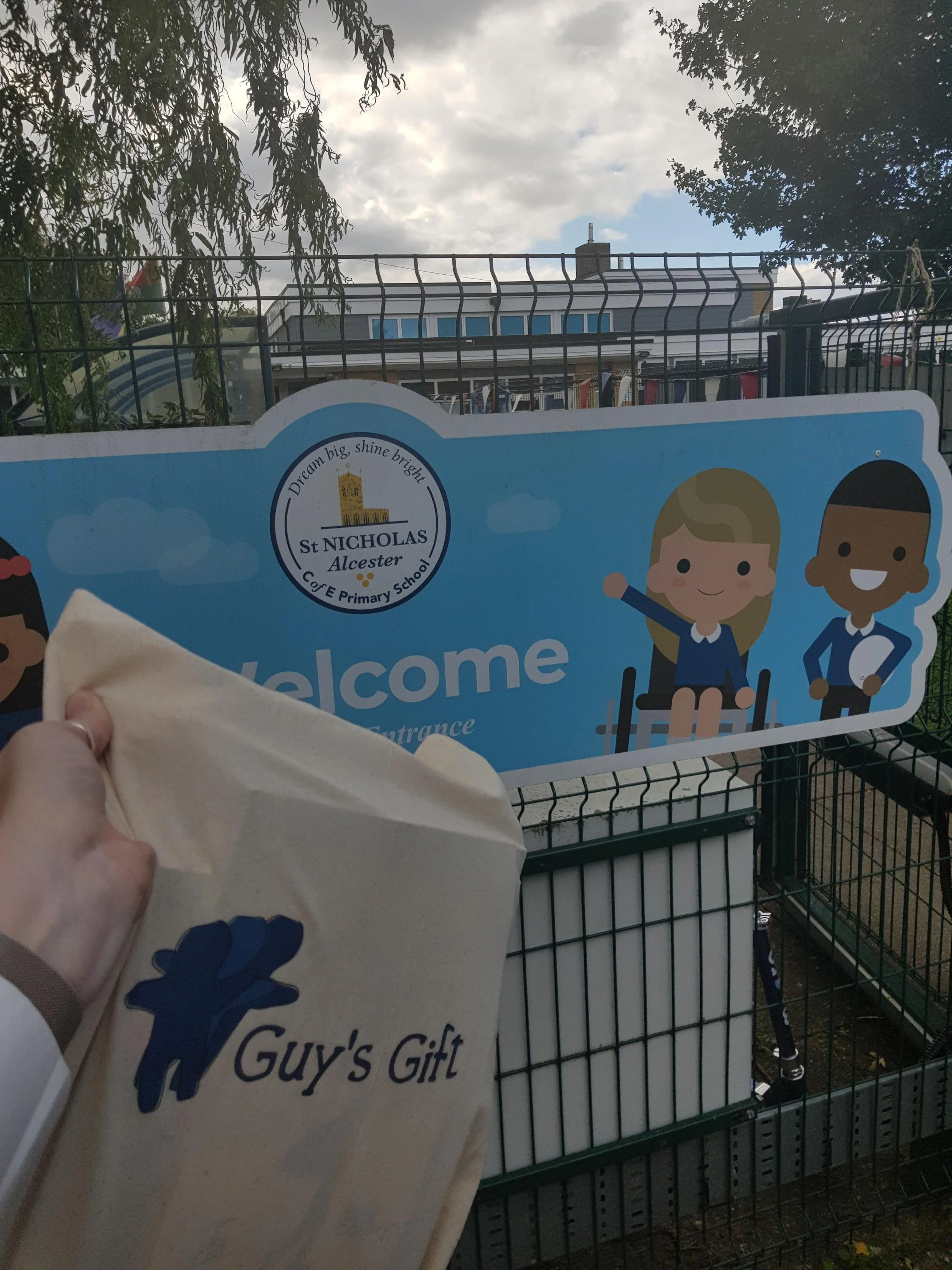
Since 2020, Bereavement Resource Packs have been provided to nearly 350 schools across Coventry and Warwickshire.
For some schools, a pack may be used to support one child following a particular bereavement. For others, resources may be used with several children over time, or shared with families as part of the school's wider response.
The resources remain with the school, meaning they can be available when another bereavement occurs in the future.
We have options for school staff to talk with us about the packs. Perhaps they’re new to school, or haven’t needed to make use of the pack before. We talk about what’s within the pack, and how to get the most from it to support a grieving child.
Part of a wider approach
The Bereavement Resource Packs are one part of Guy's Gift's wider work with schools and professionals. Our monthly Support to Support drop in sessions provide ongoing opportunities for professionals to increase their understanding of childhood bereavement and discuss the situations they are encountering in their work.
A professional might use a resource from a pack with a child, attend a Support to Support session to explore how best to respond, and then seek further support from Guy's Gift if the child or family needs more help.
Our aim is to make it easier for the adults already working with a grieving child to access the right information and support at the right time.
The people behind the packs
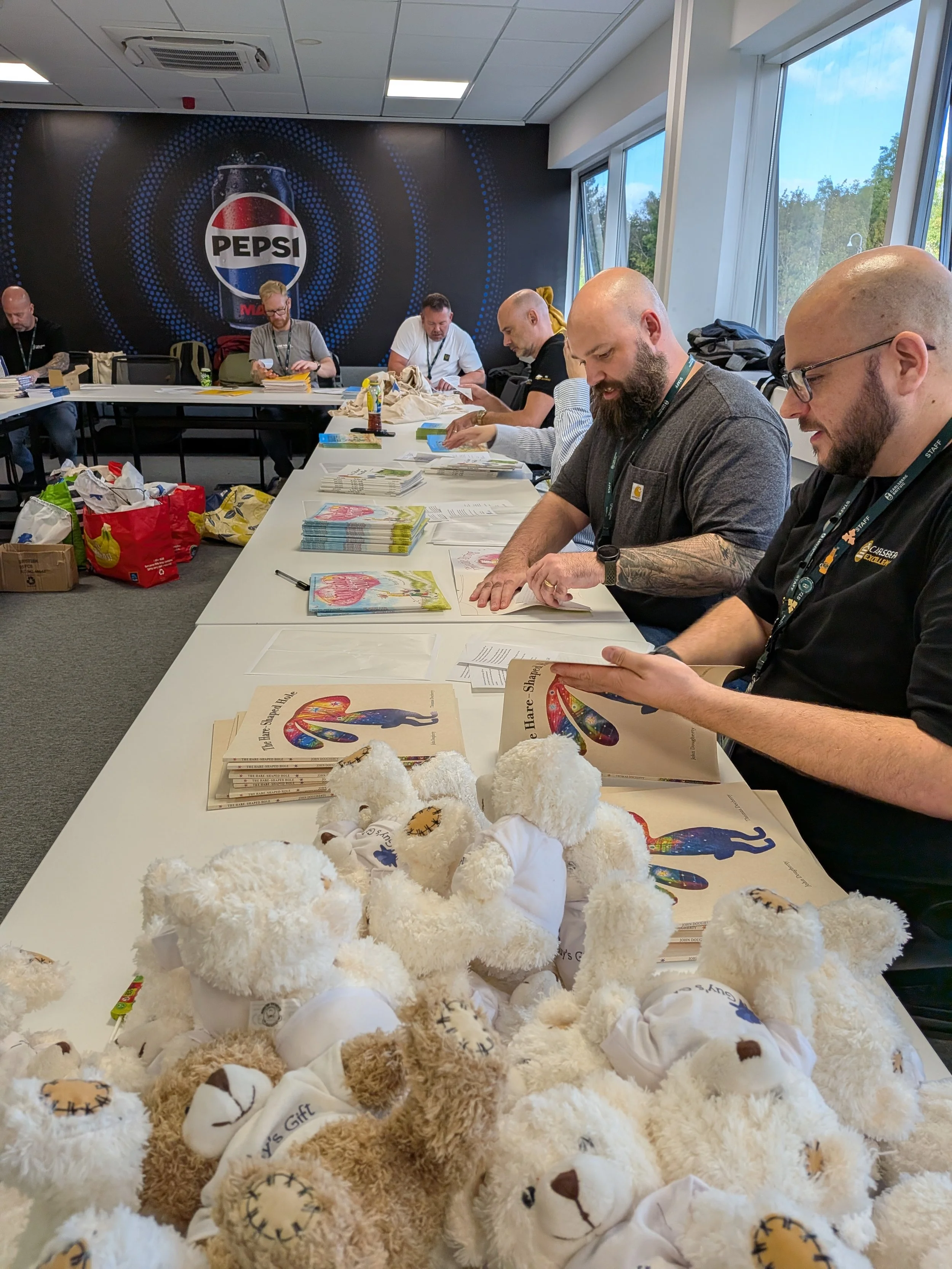
There’s a lot of work involved in keeping the packs stocked, relevant and ready to go to schools. There's a lot of people involved in making he packs as special as we truly believe they are too.
Our staff bring their experience of working with bereaved children and young people to the selection and development of the resources, while our volunteers provide valuable practical support in preparing packs, organising resources and often delivering the packs to school.
The project is also supported by the funders and donors who have enabled us to develop and maintain the packs over the years.
Together, this support allows us to provide something that schools can keep and use when they need it, rather than something that is available only at the point when a child is referred for direct bereavement support.
This a real community project, and we’ll take this opportunity to thank everyone involved from the project inception through to keeping it going 6 years later!
Looking ahead
The Bereavement Resource Packs have now been part of Guy's Gift's work with schools for several years. We will continue to review and develop them, drawing on our extensive experience of supporting bereaved children and young people, alongside feedback from the schools and professionals who use them.
The introduction of bereavement content within the statutory RSHE guidance gives schools another opportunity to think about how they prepare children to understand death and bereavement, as well as how they support children when a death happens.
We want our work with schools to continue to provide practical, accessible support. From resources that can be used with children and families, to opportunities for professionals to develop their knowledge and skills through our Support to Support sessions.
The Bereavement Resource Packs are one part of that wider approach. Helping schools feel better prepared to support children and young people when bereavement becomes part of their lives.
This really is how communities can come together to make sure children are supported to understand death and dying, and therefore be better equipped to process it when a loved one dies.

Coventry Cathedral Abseil 2026
August began with an exciting event as brave fundraisers abseiled down Coventry Cathedral. On August 1st, Coventry Cathedral hosted a charity abseil where over 20 local charities could raise money by having daring fundraisers abseil down the Cathedral wall.

August began with an exciting event as brave fundraisers abseiled down Coventry Cathedral. On August 1st, Coventry Cathedral hosted a charity abseil where over 20 local charities could raise money by having daring fundraisers abseil down the Cathedral wall. In 2025, these charities raised over £50,000 so Guy’s Gift was grateful for the opportunity to take part and fundraise to help our work with bereaved families. We can’t wait to see what the total for 2026 will be.
The event opened at 9am, with Guy’s Gift volunteers running a booth at the old Cathedral grounds to raise awareness of local children’s bereavement support, and even more funds. Each volunteer surpassed the £200 goal and in total raised over £6,000 (with Gift Aid) - which go towards running group sessions which support young people and their families. Thank you to our fundraisers and their friends and family who supported them! Brian, Ann, Owen, Beth and Milo all did amazingly in their fundraising and being brave enough to abseil!
Before they began their abseil, our volunteers were briefed on the health and safety. They went up to the roof of Coventry Cathedral. They began their abseil by stepping onto a wooden plank before moving down the wall using a rope. They were cheered on by our ground team, their friends and family, and the crowd watching. Each volunteer completed the abseil and did so so well! We are proud of all of them for taking on this challenge. You can still support and donate for their efforts - can we make it an even greater fundraising total?
Click on our fabulous fundraisers photos below to add to their fundraising total.

Ann

Beth

Brian

Milo

Owen
In the old cathedral, we had our stall open till 4pm and got to connect with the public and other local charities. We want to thank our volunteers on the ground who helped set up, fundraise, cheer on the abseilers and pack up after a long day! Another thank you to everyone who has donated and come to cheer them on. A bonus shout out our mascot of the day Twix the dog who also came along to support Guy’s Gift.
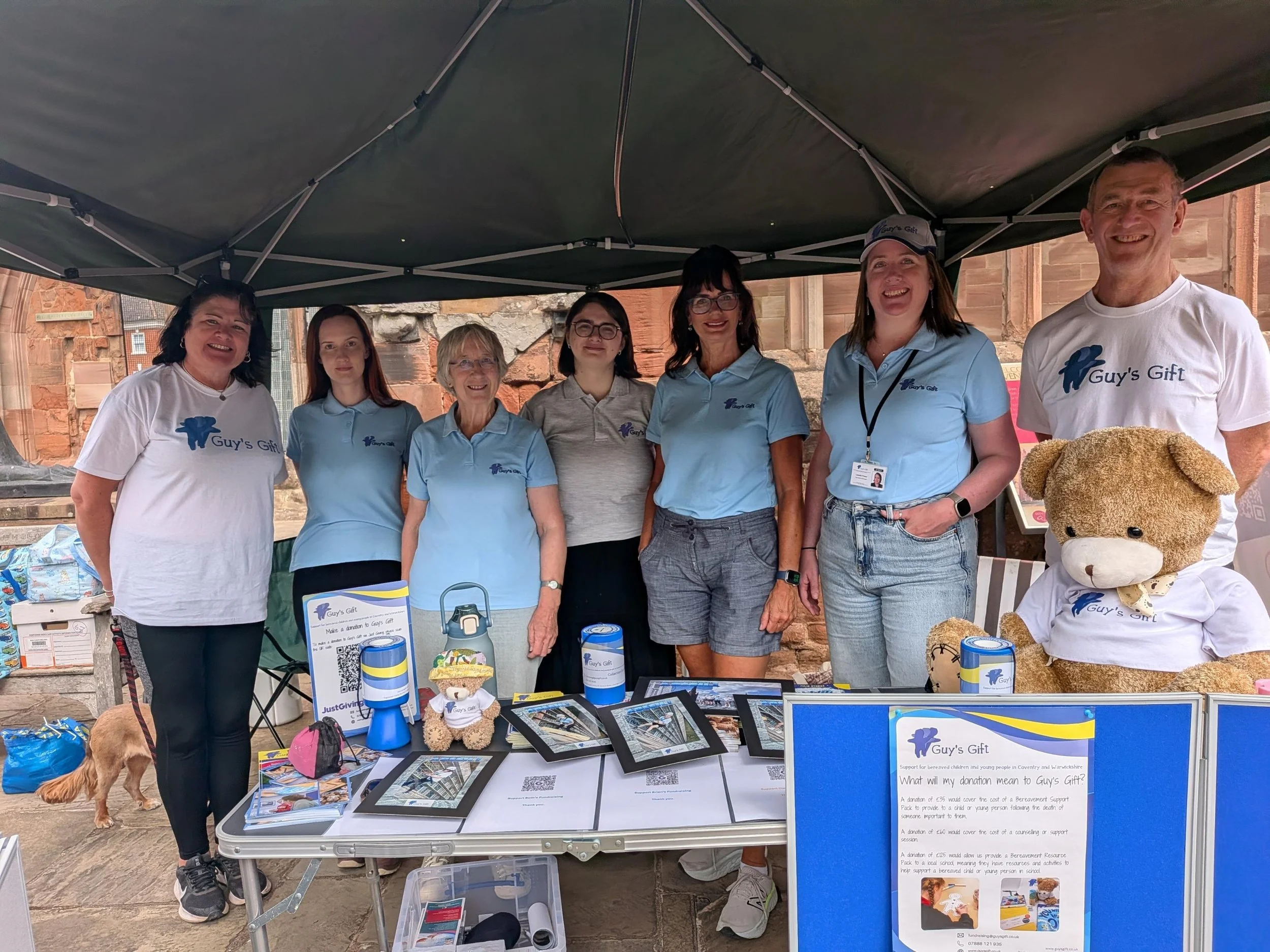
The money we raised will help us run our group sessions to support young people and their families through the difficult time of grief. We look forward to doing future events at Coventry Cathedral and raising more money in the future! Each group costs approximately £2,000 to run, so this fantastic fundraising effort by our abseil team will allow us to run around 3 groups this academic year.
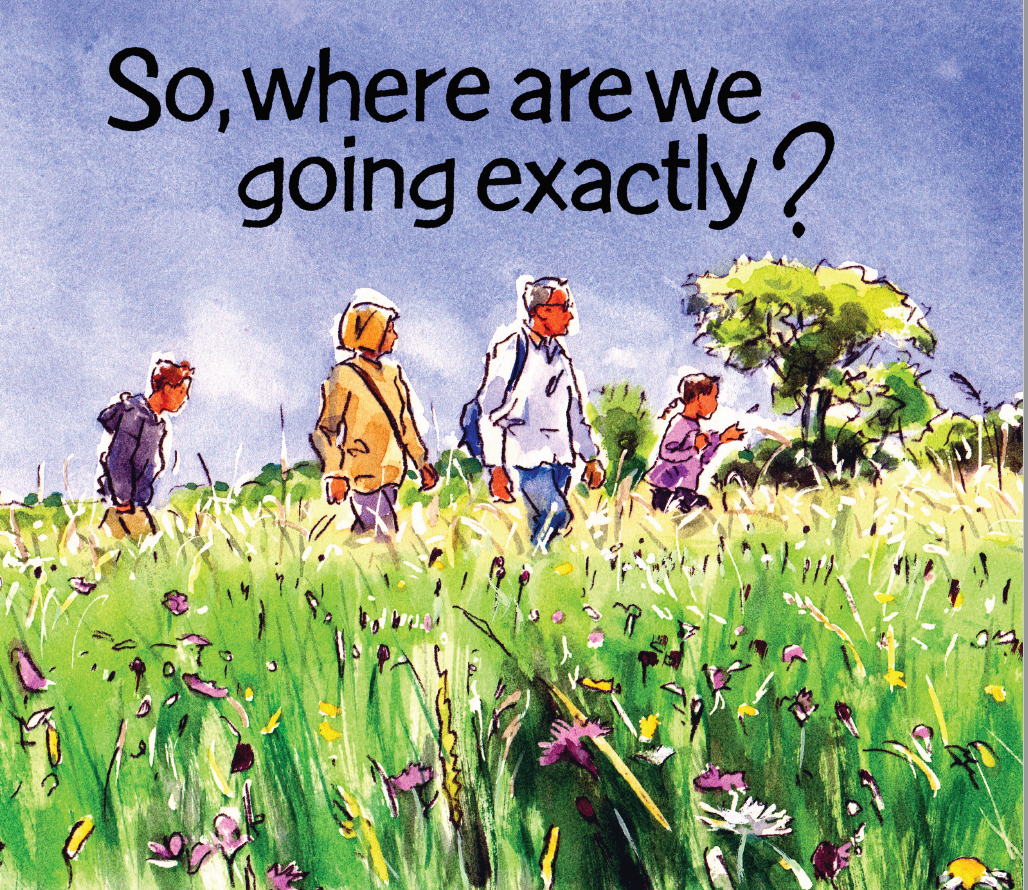
‘So, where are we going exactly?’ - Sun Rising Natural Burial Ground and Nature Reserve
When faced with death and dying, whether in the roiling storm of anticipation or the harrowing emptiness of grief, words about new life can feel irrelevant and irritating. Any attempt to soothe by speaking of the cycles of life can unbearable. There is no doubt, though, that the experience of being within nature during the worst days of our lives can be helpful. It can somehow relieve the weight of loss.

When faced with death and dying, whether in the roiling storm of anticipation or the harrowing emptiness of grief, words about new life can feel irrelevant and irritating. Any attempt to soothe by speaking of the cycles of life can unbearable. There is no doubt, though, that the experience of being within nature during the worst days of our lives can be helpful. It can somehow relieve the weight of loss.
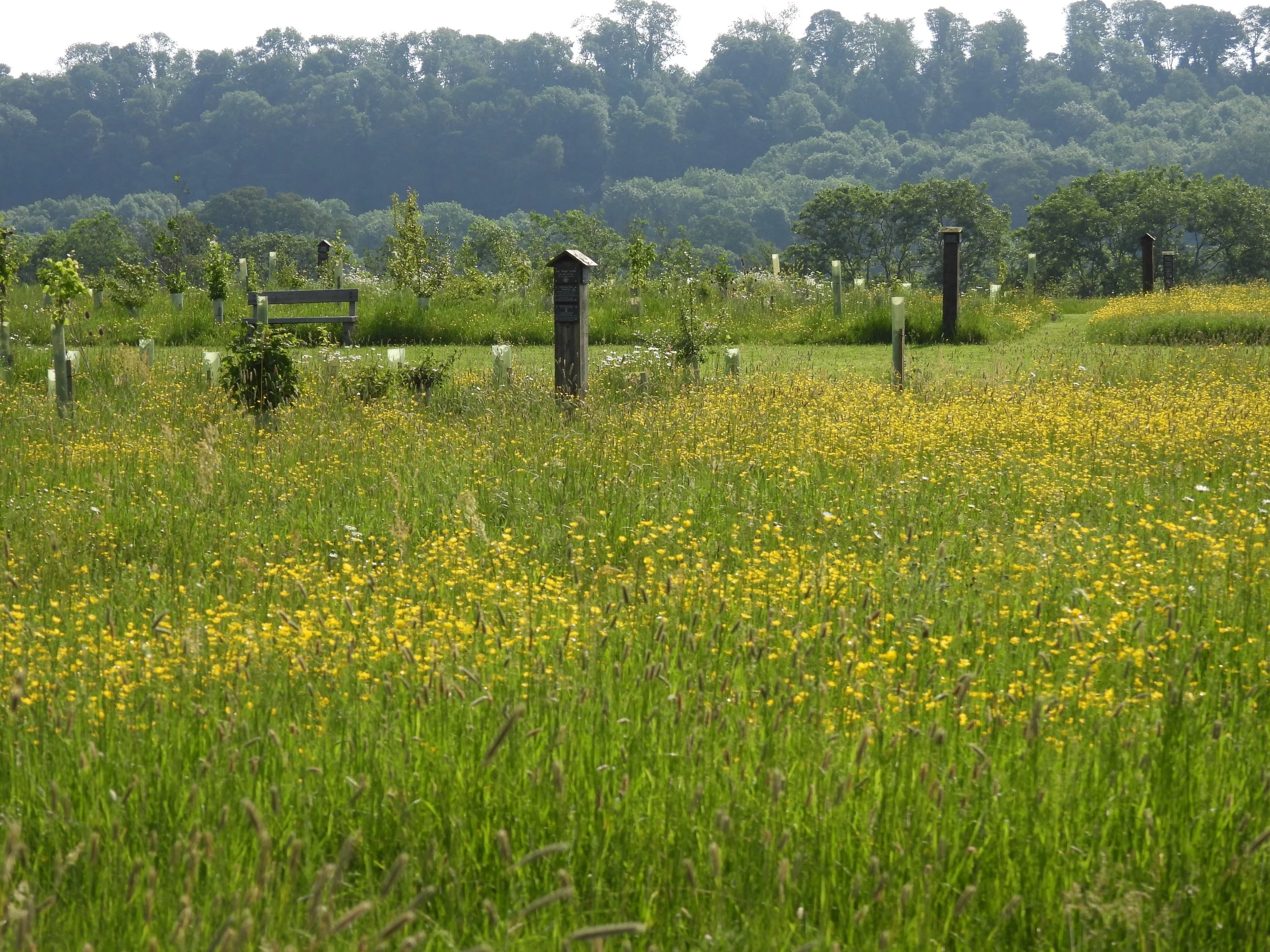
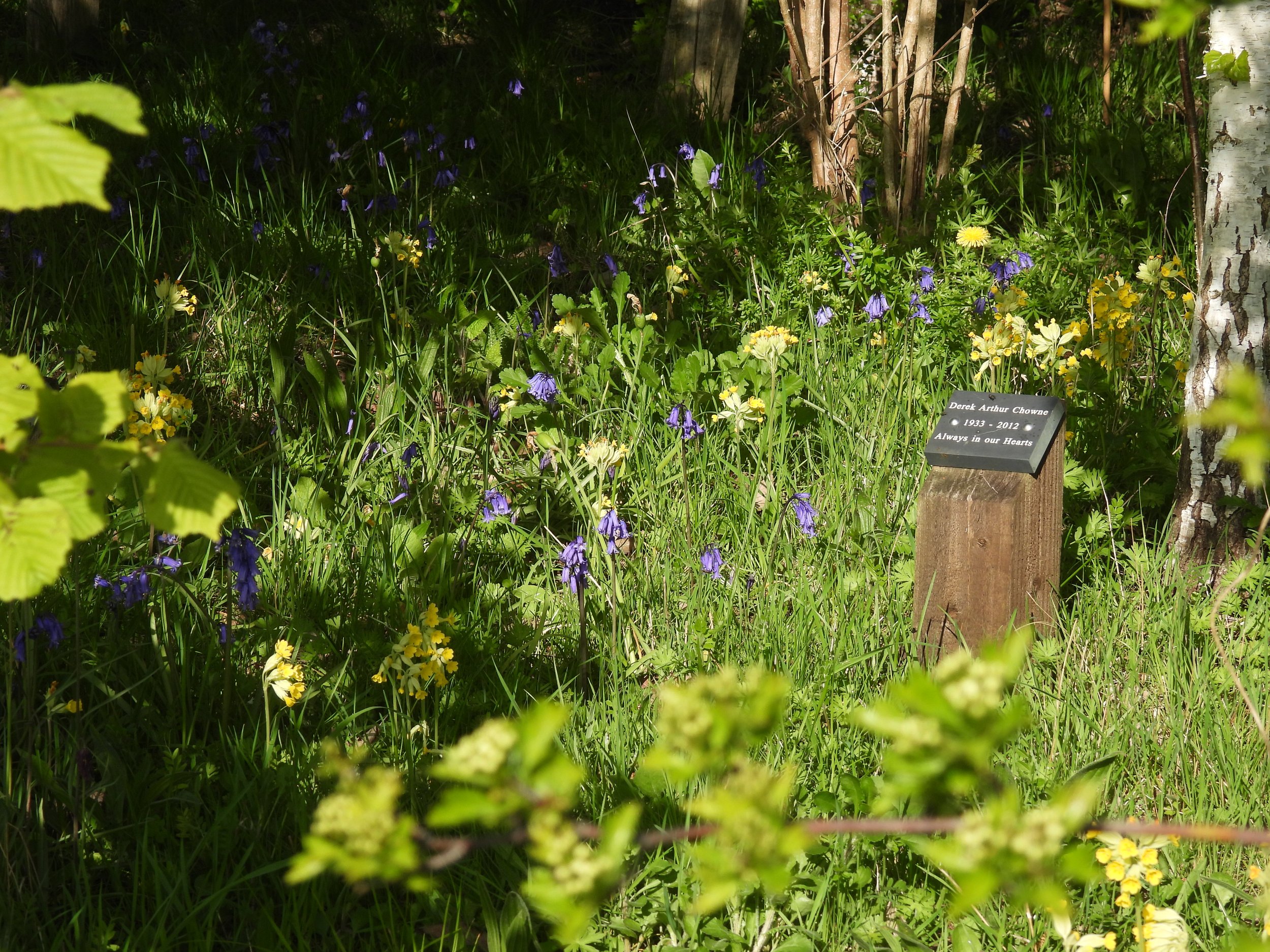
As a nature reserve, Sun Rising natural burial ground offers just that. Opened in 2006, with now over 2000 people laid to rest, it is a blend of wildflower meadows, growing woodland and grassland, with ponds and hedgerows, tracks and paths. Burials can be in the meadow or in areas that will become woodland, where a tree can be planted on the plot beside a small slate plaque. With the woods of the Cotswold escarpment on one side, and broad views across rural southern Warwickshire on the other, its peace is immensely healing.
Laying a Child to Rest
As such a gentle, natural environment, it can feel a good deal easier to lay a child to rest here than in a churchyard or cemetery, where rows of headstones are a stark and constant reminder of loss. And as with any other funeral, we encourage families to find the way that feels right for them, doing our best to support whatever is needed.
Religious, spiritual or humanist beliefs can be incorporated, whether the funeral takes place in church, in our Longhouse or even out in the meadow. Some need the traditional feel offered by a funeral director, providing the sombre black and ceremonial pace; others want none of that, instead needing their own community of family and friends to hold the space completely, in which case we offer more in terms of arrangements, guidance and care.
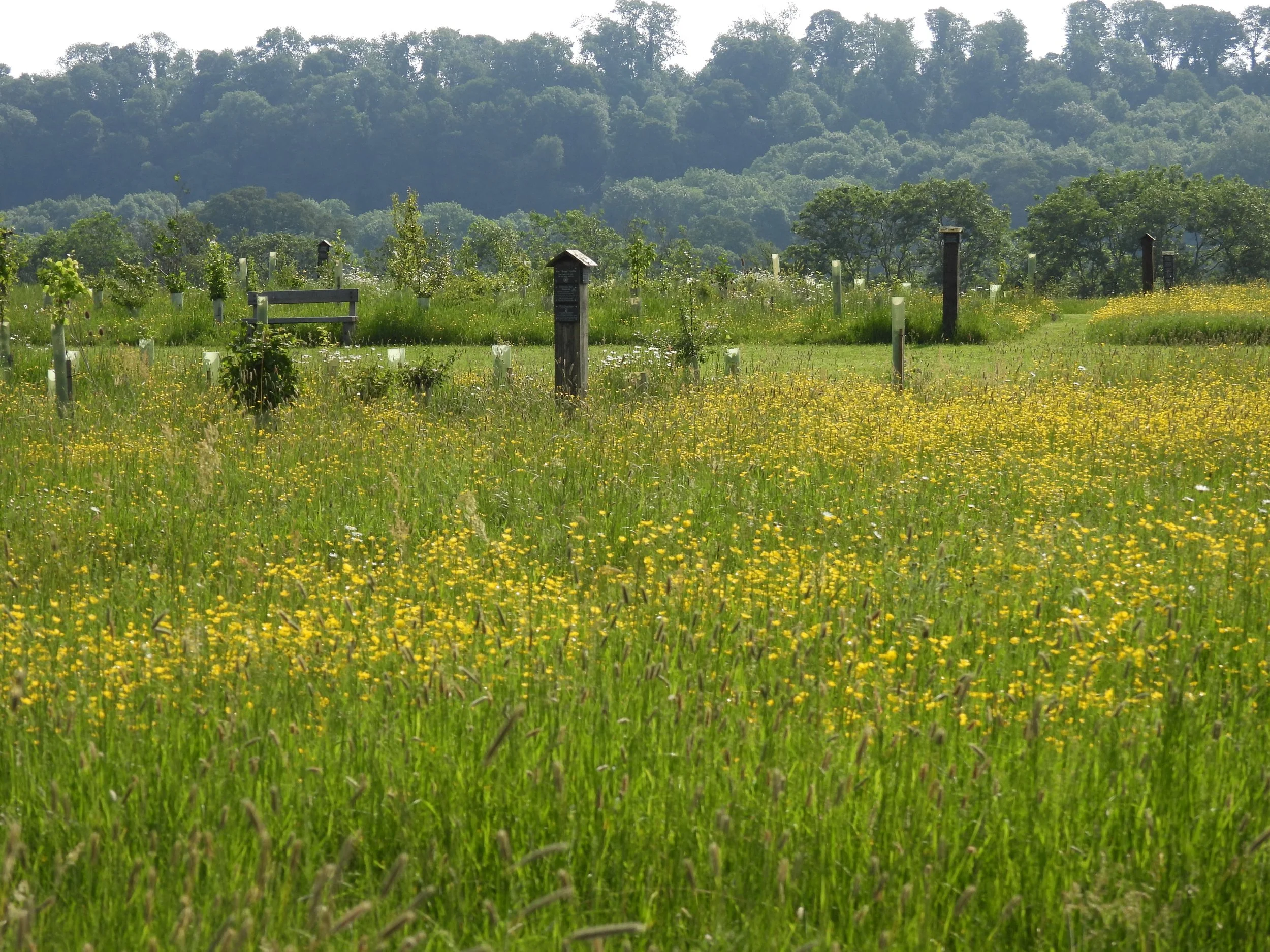
It may be just the two parents present, and we stand at a distance, ready to step forward to help where needed. A dad may find it cathartic to backfill the grave, a mum wanting to tuck in her ever-sleeping child, which we facilitate but otherwise leave them the privacy of such an acutely intimate and tender moment, allowing all the time they need.
Sometimes it’s a larger gathering, led by a professional funeral celebrant or a friend who has the strength to do so. There may be siblings, bubbles, music, cake and colour. Amidst the tears, laughter can break through.
Funerals with Children
When it is not a child, but a much-loved parent, grandparent or great grandparent who has died, Sun Rising can be an easier option for families with children.
Some families are clear that a funeral is not a place for a child, and some don’t bring children because they need to face their own grief undistracted. However, we have found that families are more likely to bring children to a funeral at Sun Rising than if it were elsewhere. It tends to be a more informal space; children needn’t be dressed smartly, and an unsettled child can be taken outside to seek butterflies or fossils or sit by the pond. There isn’t a pall of sadness over the place: it does actually full of life.
Furthermore, if a child has attended the funeral, it can then make more sense to them when they come to visit later. In a woodland burial area, they may come to plant the memorial tree on the grave and watch it grow, year upon year.
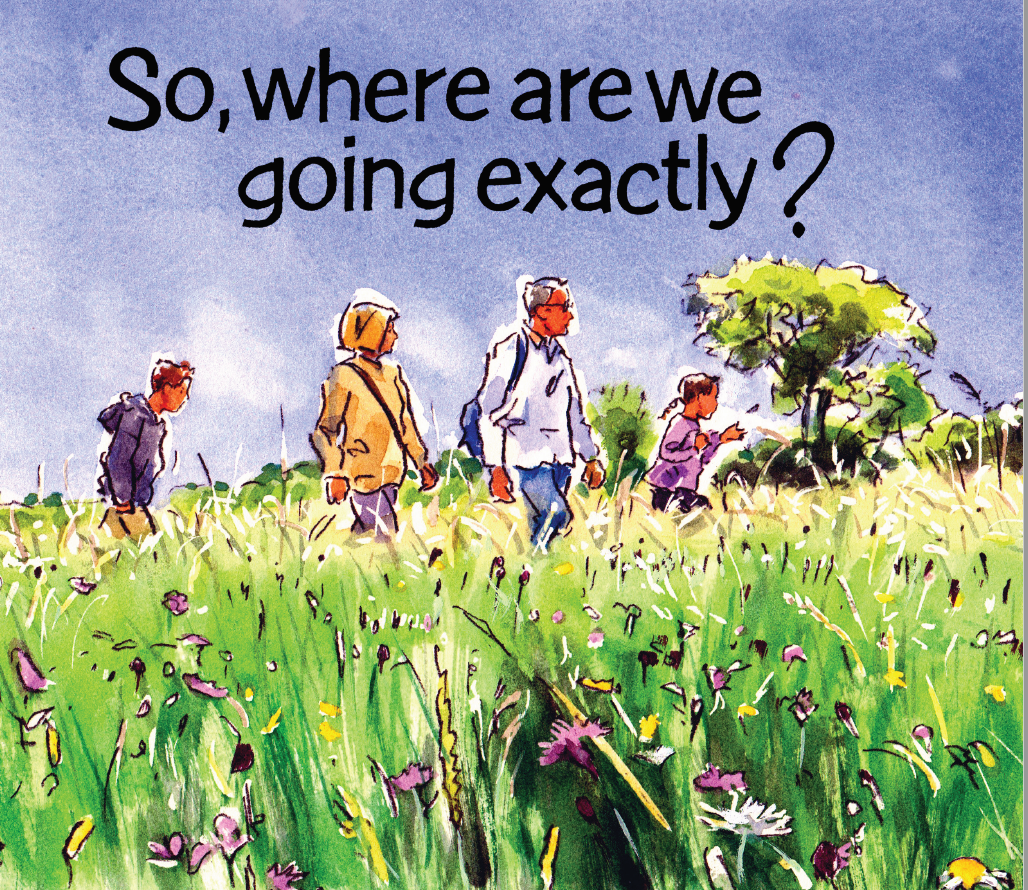
‘So, where are we going exactly?’
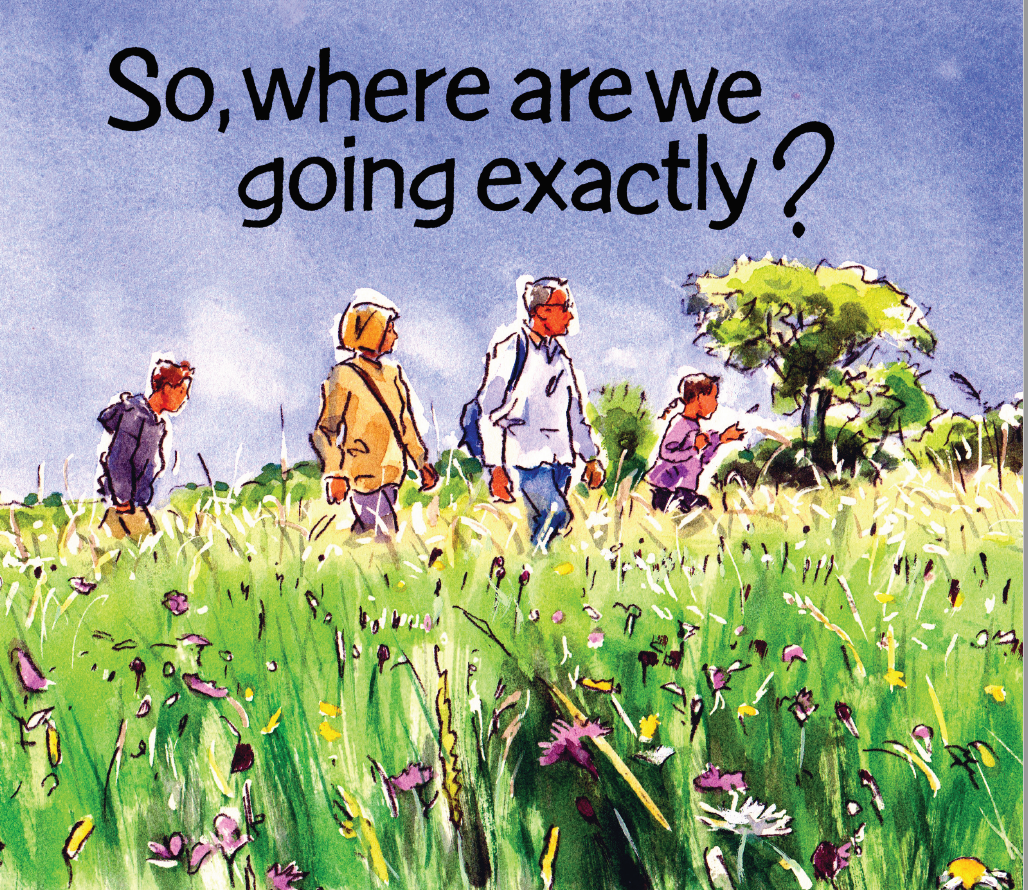
The idea of writing a book for children was suggested by a family whose grandchildren were asking questions. Written by a group of four, all of whom have a loved one laid to rest at Sun Rising, their love shines through. It is aimed at 6-10 year olds, but we’ve seen it beautifully and effectively used to support children who are younger and indeed people of all ages.
While most books about death written for children use anthropomorphised animals to explain, ‘So, where are we going exactly?’ is very human. Taking their grandchildren to natural burial ground, an older couple explain that this is where they themselves would like to be buried, and in the process they answer their grandchildren’s questions and concerns. It’s a book that helps children to ask those difficult questions, and helps adults to engage in the conversations.
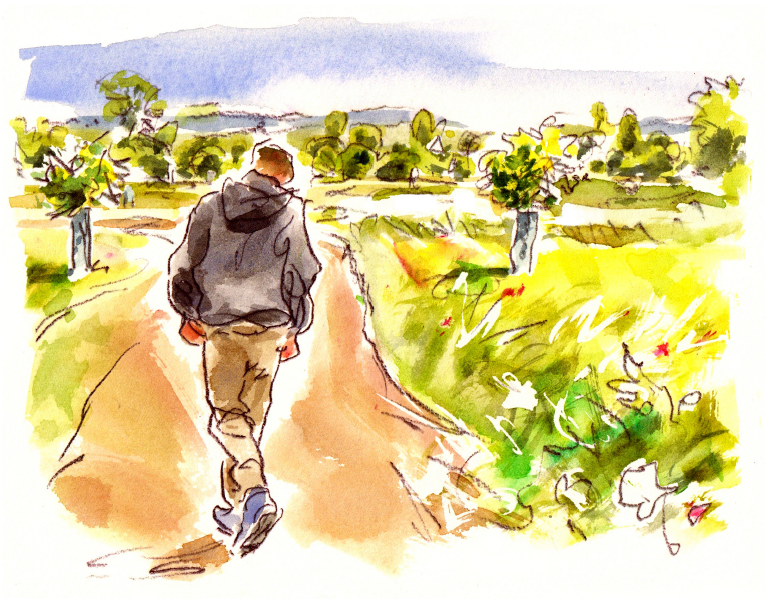
The beautiful artwork by Philip Bannister are watercolour sketches that give a lovely natural feel of the nature reserve on a summer’s day. It’s not a religious book, but supports any faith or belief system, its foundation being on the inevitability of nature’s cycles.
The book is £7, with all proceeds going to The Friends of Sun Rising, the charity that will care for the site into the long-term future. For more information, go to https://sunrising.co.uk/products/ and click on The Children’s Book tab.
For more information about Sun Rising and the services offered, please explore the website more generally, https://sunrising.co.uk, or call on 01295 688488.
Shared by Emma Restall Orr




When Grief Meets Exam Season: Supporting Young People When It Matters Most
As exam season approaches each year, the focus often turns to revision timetables, performance, and results. However, for some young people, there is something far heavier sitting alongside their studies: grief.

As exam season approaches each year, the focus often turns to revision timetables, performance, and results. However, for some young people, there is something far heavier sitting alongside their studies: grief.
Grief does not pause for exams. It doesn’t follow academic calendars or wait for a more convenient time. And when grief and exam pressure collide, the impact on a young person can be profound, often in ways that are misunderstood.
What Grief Can Look Like During Exam Season
Grief in young people doesn’t always look like sadness. During exam periods, it can present in ways that are easily mistaken for disengagement or lack of effort.
You might notice:
Difficulty concentrating or staying focused
Memory challenges, such as struggling to retain information
Increased fatigue or low energy
Anxiety, overwhelm, or panic
Appearing withdrawn or disengaged
Fluctuating emotions, they may seem fine one moment, distressed the next
These responses are not unusual. They are human.
Why Does This Happen?
Grief affects both the emotional and cognitive parts of the brain. This means that thinking, processing, and remembering information can become significantly harder. At the same time, exam season already brings heightened pressure. For a grieving young person, this emotional load is understandably even heavier.
Routine also plays a crucial role. Many young people rely on structure to feel safe and regulated, particularly when navigating grief. Exam periods often already disrupt normal routines. Study leave, altered timetables, and long days can make coping even more difficult.
It is important to be clear: this is not about laziness or a lack of motivation. It is about capacity.
Challenging Misconceptions
There are common misunderstandings when it comes to grief, especially in young people:
“They should be over it by now.”
“It’s just an excuse.”
“They seem fine most of the time.”
Grief is not linear. It doesn’t have a clear endpoint, and it can resurface unexpectedly, particularly during stressful periods like exams. A young person might appear okay on the surface while struggling internally. Both can be true at the same time.
What Can I Do To Help?
Support doesn’t need to be complicated, but it does need to be intentional.
Helpful approaches include:
Listening without judgement: creating a space for young people to express how they feel
A safe, trusted person: someone in school they can go to if they feel overwhelmed
Clear communication: help them understand what’s expected, without ambiguity
Consistent expectations: balancing compassion with structure
Sometimes, simply feeling seen and understood can make a huge difference.
The Role of Schools
Schools play a vital role in supporting grieving students during exam periods.
This might include:
Ensuring staff are aware of a young person’s circumstances (make sure families and the young person have given permission for sharing)
Providing strong pastoral support
Offering reasonable adjustments where appropriate
Maintaining open communication with families
Small, thoughtful adjustments can reduce pressure and help young people feel supported rather than isolated.
Why This Matters
Exams are important, but so is wellbeing.
Grief does not need to be recent to be impactful. Anniversaries, milestones, and periods of stress can all bring emotions back to the surface. The support a young person receives during this time can have a lasting impact, not just on their academic outcomes, but on how they learn to cope with challenges in the future.
A Final Thought
Grief doesn’t pause during exam season, but with the right understanding and support, young people don’t have to face both alone.
To talk with a member of the team at Guy's Gift and find out more about how we can offer support for grieving children and young people, please call 0845 467 3035 or email info@guysgift.co.uk.
Posted with thanks to Guy’s Gift volunteer, Molly Moore, who wrote this insigtful post.
You might find some of our other blog posts helpful too:
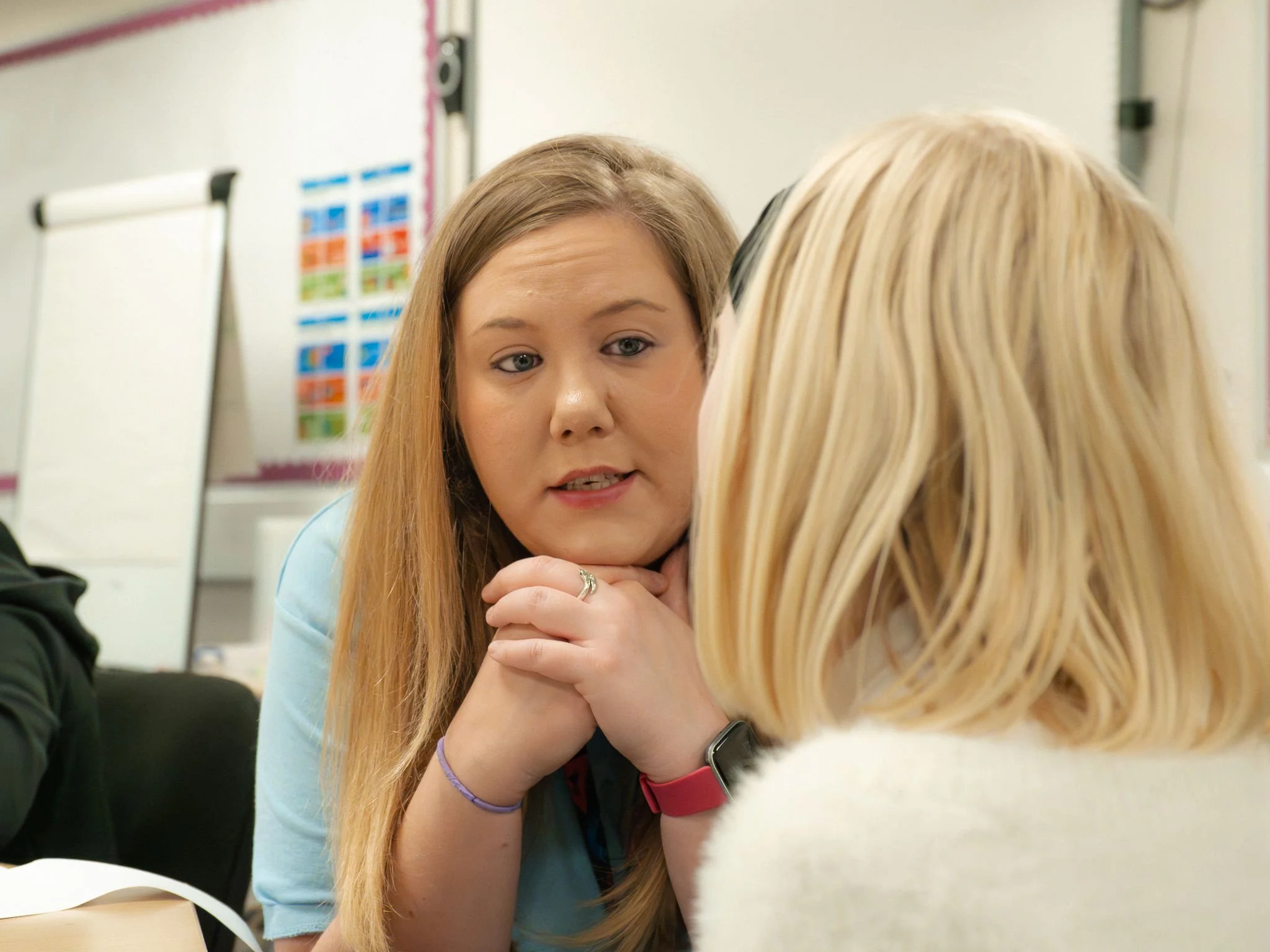
Why Do We Say ‘Died’ Instead of ‘Passed Away’? Helping Children Understand Death with Clear Words
Are softer words actually helping, or are they making something difficult even harder to understand?
When someone dies, many of us reach for softer words. We might say ‘passed away’, ‘gone’ or ‘lost’, especially when we’re talking to children.
It comes from a good place. We want to protect them. We want to make something painful feel a little less heavy.
But children don’t always understand these phrases in the way we expect. Instead of feeling comforted, they can end up feeling confused, or even a bit worried.
So it’s worth asking: are these softer words actually helping, or can they sometimes make things harder?
Why These Words Can Be Confusing for Children
Young children tend to understand language very literally. They make sense of the world by linking words to things they already know and recognise.
For example, if a child says, “I lost my school jumper,” they usually expect it to be found again. Maybe it turns up later on their peg in the cloakroom, or at the bottom of a bag. In their experience, ‘lost’ doesn’t mean gone forever.
It’s the same with other everyday words. If someone is ‘gone’, they often come back. If someone is ‘sleeping’, they wake up. These are patterns children see again and again.
So when we use these same words to talk about death, children naturally apply that same logic. They may expect the person to return, to be found, or to wake up.
This is where confusion can begin. The words suggest one thing, but the reality is very different.
Children aren’t misunderstanding on purpose. They are using what they already know to try to make sense of something new. Clear, simple language helps them do that with less confusion and fewer worries.
What Do We Mean When We Say Someone Has Died?
When we use the word ‘died’, we are giving children something clear and real to understand.
It can be as simple as this: when someone dies, their body has stopped working. They are not breathing, they are not thinking, and they are not feeling anything anymore. They can’t come back.
This might feel very direct to say, but for a child, it removes the uncertainty that softer language can create. It helps them understand what has happened, rather than trying to piece it together for themselves.
You might say:
“Grandad died. His body stopped working.”
“When someone dies, they can’t come back, but we can still remember them and talk about them.”
Said calmly and gently, this kind of explanation helps children feel more secure. They are not left wondering or waiting for something to change.
It also shows them that it is okay to talk about death openly, and to ask questions when they need to.
If you would like more guidance on how to approach these conversations, our free to download information sheets offer practical, accessible support for families and professionals. In particular, the ‘Explaining a death to young children’ sheet gives clear advice on using honest language, sharing information in a way children can understand, and allowing space for questions over time.
Sometimes, it can also help to use a book alongside these conversations. Stories can give children another way to understand what ‘died’ means, and to see that their feelings are shared by others.
For example:
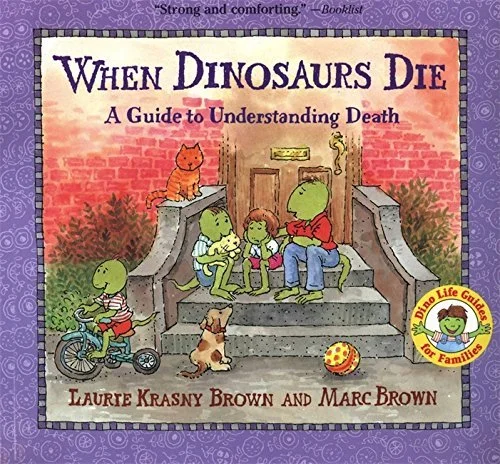
When Dinosaurs Die: A Guide to Understanding Death by Laurie Krasny Brown and Marc Brown offers clear, simple explanations about what happens when someone dies and answers many of the questions children ask.
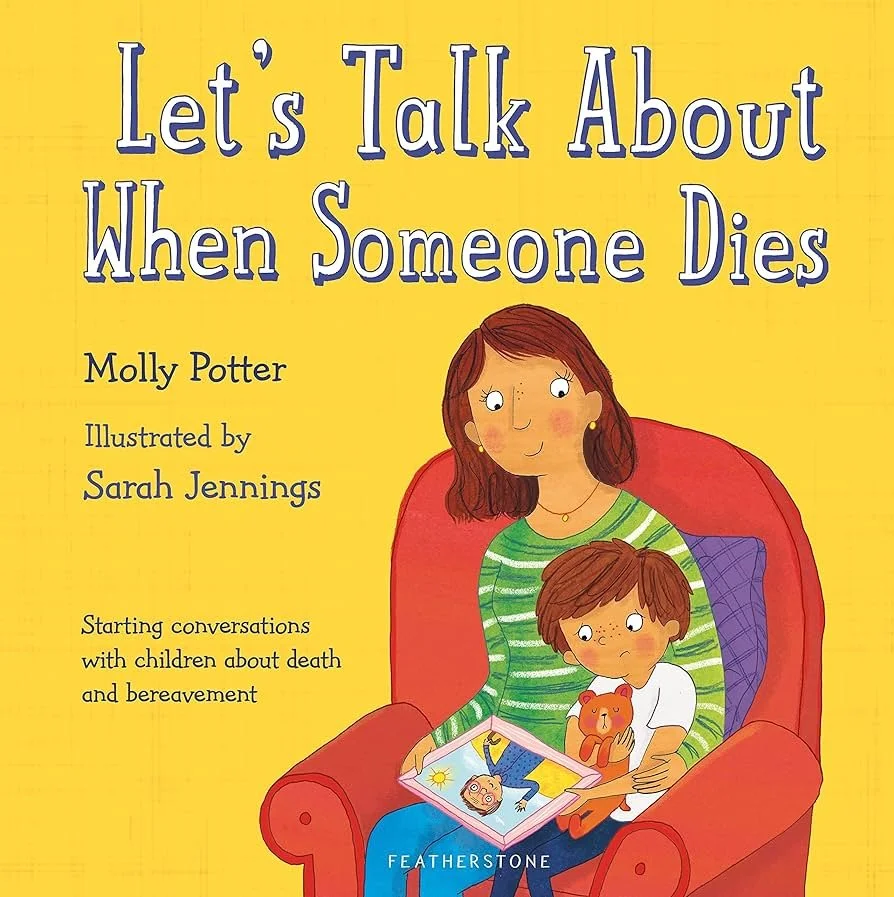
Let’s Talk About When Someone Dies by Molly Potter gently supports children to understand death while also helping them talk about their thoughts and feelings.
Used alongside honest, simple language, these kinds of resources can help children build a clearer understanding, at their own pace.
Will Everyone Who Gets Ill Die?
After hearing that someone has died, many children begin to worry about what this means for the people around them.
They might wonder:
“Will Mum die if she gets ill?”
“Will I die if I get poorly?”
These worries are very common, even if children don’t always say them out loud.
It helps to offer clear and gentle reassurance. You might say:
“Most people who get poorly get better again.”
“Doctors and nurses work very hard to help people get well.”
“The person who died was very, very ill, and their body couldn’t get better.”
This helps children understand that death doesn’t happen every time someone is unwell.
Being clear in this way can reduce unnecessary fear, while still being honest. It reassures children that everyday illnesses, like coughs and colds, are a normal part of life and that most people recover from them.
Children may need to hear this more than once. Repeating simple, calm reassurance helps them feel safer and more secure in their world.
It’s Not Just What You Say, It’s How You Say It
The words we choose are important, but the way we say them matters just as much.
Children are very aware of how adults are feeling. They notice tone of voice, facial expressions, and whether something feels calm or uncertain. Even clear explanations can feel overwhelming if they are rushed or tense.
Speaking slowly, calmly, and with warmth helps children feel safe. It shows them that, even though something sad has happened, they’re not alone in understanding it.
It can also help to share information in small pieces. Children often take things in gradually, coming back with questions over time. This is a normal part of how they process something new and difficult. (check out our blog post about Puddle Jumping, which explores this a bit more)
You don’t have to have all the answers. It’s okay to say, “I don’t know,” or “That’s a really good question.” What matters most is being open, honest, and willing to listen.
Some children will want to talk straight away. Others might not say much at all, and then return to it weeks later. Giving them time and space shows that this is something they can come back to whenever they need to.
Ultimately, it is not about getting every word exactly right. It is about helping children feel safe enough to understand, to ask questions, and to feel whatever they are feeling.
Clarity, Honesty and Care
Talking to children about death is never easy. It can feel uncomfortable to use a word like ‘died’, especially when you’re trying to protect them from something painful.
But in reality, using clear and simple language is one of the most important things you can do. It gives children something solid to understand, rather than leaving them to guess or worry.
When you combine that clarity with a calm voice, honest answers, and a bit of reassurance about their own safety, it helps children feel more secure. They begin to make sense of what’s happened in a way that feels manageable.
You don’t need to get the words exactly right. Most of us won’t! What matters most is being open, being truthful, and being there when children need to come back with questions.
In the end, it’s not about saying the perfect thing. It’s about helping children feel safe enough to understand what’s happened, and to know they’re not on their own in it.
You can reach out to the team directly if you need to talk things through. You can email info@guysgift.co.uk or call 0845 467 3035.
Sometimes it helps to speak to someone who understands.

How to Support Bereaved Children and Young People Through Important Moments
A milestone is a moment we often look forward to with hope and excitement. For young people, this might be starting secondary school, passing exams, graduating, going to prom, celebrating birthdays, or navigating other important life transitions.
These moments are usually associated with pride and celebration. However, for children and young people who have experienced the death of someone important, milestones can also carry a quiet ache, highlighting the absence of the person they wish could be there to share it with them.
A milestone is a moment we often look forward to with hope and excitement. For young people, this might be starting secondary school, passing exams, graduating, going to prom, celebrating birthdays, or navigating other important life transitions.
These moments are usually associated with pride and celebration. However, for children and young people who have experienced the death of someone important, milestones can also carry a quiet ache, highlighting the absence of the person they wish could be there to share it with them.

Why milestones can feel hard after a bereavement
For many bereaved children, milestones highlight what has changed. They may think about who should be there, who they wish could see them, or what their loved one might have said or done.
This can bring up feelings such as:
Sadness or longing
Anger or frustration
Guilt about feeling happy
Anxiety about moving forward
A sense of something missing
Some children may worry that enjoying a milestone means they are forgetting the person who died. Others may feel that certain dreams, like sharing achievements with a parent, grandparent, sibling, or special person, have been taken away. These reactions are normal and understandable.
The ‘loss of dreams’
When someone dies, it is not only the person who is lost, but also the future moments imagined with them. Children and young people may grieve the idea of:
A parent seeing them start secondary school
A loved one attending their prom or graduation
Sharing exam results or career dreams
Celebrating milestone birthdays together
This is sometimes called a secondary loss, the grief for what will never happen. These feelings can resurface again and again at different stages of life.
How age and development can shape these feelings
Children and young people understand milestones differently depending on their age and stage of development:
Younger children may notice the absence in simple ways, such as “Who will come to my party?” or “Who will walk me to school?”
Primary-aged children may compare themselves to peers and feel different or left out, especially if other children have two parents or grandparents present.
Teenagers may think deeply about the future and feel grief for long-term dreams, weddings, careers, or family life they imagined sharing with the person they lost.
As children grow, they may revisit their grief with new understanding, especially at significant life transitions.
What can help children and young people at milestone moments
Every child’s grief is unique, but there are gentle ways adults can offer support:
Acknowledge the mixed feelings
Let children know it’s okay to feel happy and sad at the same time. Milestones can hold both joy and grief.
Talk about the person who died
Sharing memories or imagining what the person might have said can help children feel connected rather than alone.
Create new rituals
Lighting a candle, writing a letter, wearing something meaningful, or setting aside a quiet moment can help honour the person who is missing.
Give permission to enjoy the moment
Reassure children that celebrating does not mean forgetting. Love does not disappear when someone dies.
Be patient with emotional reactions
Big milestones can bring unexpected emotions, before, during, or after the event. Changes in behaviour or mood are often part of processing grief.

Every child’s journey is different
Some children may want to talk about their loved one during milestones, while others may prefer distraction or privacy. Some may feel intense grief, while others may seem unaffected at the time and reflect later.
There is no right or wrong way to experience milestones after a bereavement. Grief can resurface in waves, especially during transitions and achievements.
A gentle message of reassurance
Milestones can be bittersweet for bereaved children and young people. They remind us of what has been lost, but they also show how much a child continues to grow, learn, and thrive.
It is possible to carry grief and joy together. Remembering someone does not stop life from moving forward, and moving forward does not mean leaving someone behind.
With understanding adults, safe spaces to talk, and compassionate support, children and young people can navigate milestones while keeping their loved one in their heart. They are not alone, and their feelings, whatever they are, matter.
To talk with a member of the team at Guy's Gift and find out more about how we can offer support for grieving children and young people, please call 0845 467 3035 or email info@guysgift.co.uk.

Supporting Children and Young People Through Grief
Grief touches every life at some point, yet it can feel especially confusing for children and young people. When someone close to them dies, whether a family member, a friend, or a much-loved pet, children may struggle to understand what has happened or how to express their feelings.
As adults, it's natural to want to make things better or take the pain away. It's important to recognise that we cannot remove the grief, but we can help children feel safer, supported, and less alone as they navigate their own way through it.
How Does Grief Show Up for Children?
Children experience grief differently from adults and their reactions can be surprising or difficult to understand. There is no ‘right’ way for a child to grieve.
Common emotional and behavioural reactions may include:
Sadness or tearfulness
Anger, frustration, irritability
Confusion, lots of questions
Anxiety, worries about further loss
Changes in behaviour, sleep or appetite
Becoming quieter or more withdrawn
Wanting extra reassurance or comfort
Moments of play, laughter, and seeming "okay"

Unlike adults, children may grieve in short bursts and move in and out of grief very quickly - they may laugh one moment and feel very sad the next. This is often how young people cope with emotions that feel too big to hold all at once.
Children are likely to express grief through behaviour rather than in words. Changes in mood, concentration or behaviour are often a child's way of communicating their feelings. As their understanding depends, they may visit their grief again and again. A loss that felt confusing at a younger age may feel or show up very differently years later.
A child's age and stage of development can influence how they understand loss.
Younger children may not fully understand that death is permanent. They make ask the same questions repeatedly while they try and make sense of what has happened.
Primary-aged children may understand more, but still struggle to express their feelings. They might worry about upsetting others or feel guilty about their emotions.
Teenagers often understand the reality of loss but may hide their feelings, wanting to appear strong or independent. They may experience intense emotions while finding it hard to ask for support.
At every age, children need reassurance, patience and honest, age-appropriate explanations. You can read more in our information sheet here.
What Can Help Children Cope With Grief?
Every young person's journey through grief is unique, but some gentle approaches can help support emotional wellbeing:
Calm, honest communication
Use clear, simple language and be guided by what the child asks. It's OK to not have all the answers, listening and being present matters more.
Making space for all feelings
Let children know that all feelings are allowed, including sadness, anger, confusion, and even moments of happiness. Grief does not look the same for everyone.
Keeping routines where possible
When life feels uncertain, familiar routines can help children feel safe and grounded.
Encouraging expression
Some children find it easier to express their feelings through drawing, writing, play, music, or being outdoors rather than directly talking about their grief.
Remembering together
Sharing memories, telling stories, looking at photos, or creating a memory box can help children feel connected to the person or pet they’ve lost.
Reaching out for support
Guy’s Gift is here to help. Our passionate team provide reassurance and support to bereaving children and young people aged 5-25 across Coventry and Warwickshire. Find out more about our services here.
Every Child's Grief Journey is Unique
There is no timeline for grief, and no correct way to "move on". Some children may talk about their loss, others may keep their feelings inside. Some may need support straight away, others may need it later on in life. What matters most is that children feel accepted, understood and supported at their own pace.
Grief can feel heavy and lonely, but children do not have to carry it on their own. With time, patience and caring adults around them, children and young people can learn to live alongside their grief while continuing to grow.
Healing does not mean forgetting. It means finding ways to hold love, memories and hope together.
If you are supporting a grieving child, know that your kindness, presence and willingness to listen will make a difference, even when the words are hard to find.
To talk with a member of the team at Guy's Gift and find out more about how we can offer support for grieving children and young people, please call 0845 467 3035 or email info@guysgift.co.uk.
This post has been written by one of our fabulous volunteers, Molly Moore. Outside of her volunteering with Guy’s Gift, Molly works in the third sector as a Children’s Independent Domestic Violence Advocate.
Guy’s Gift Lantern Walk 2025
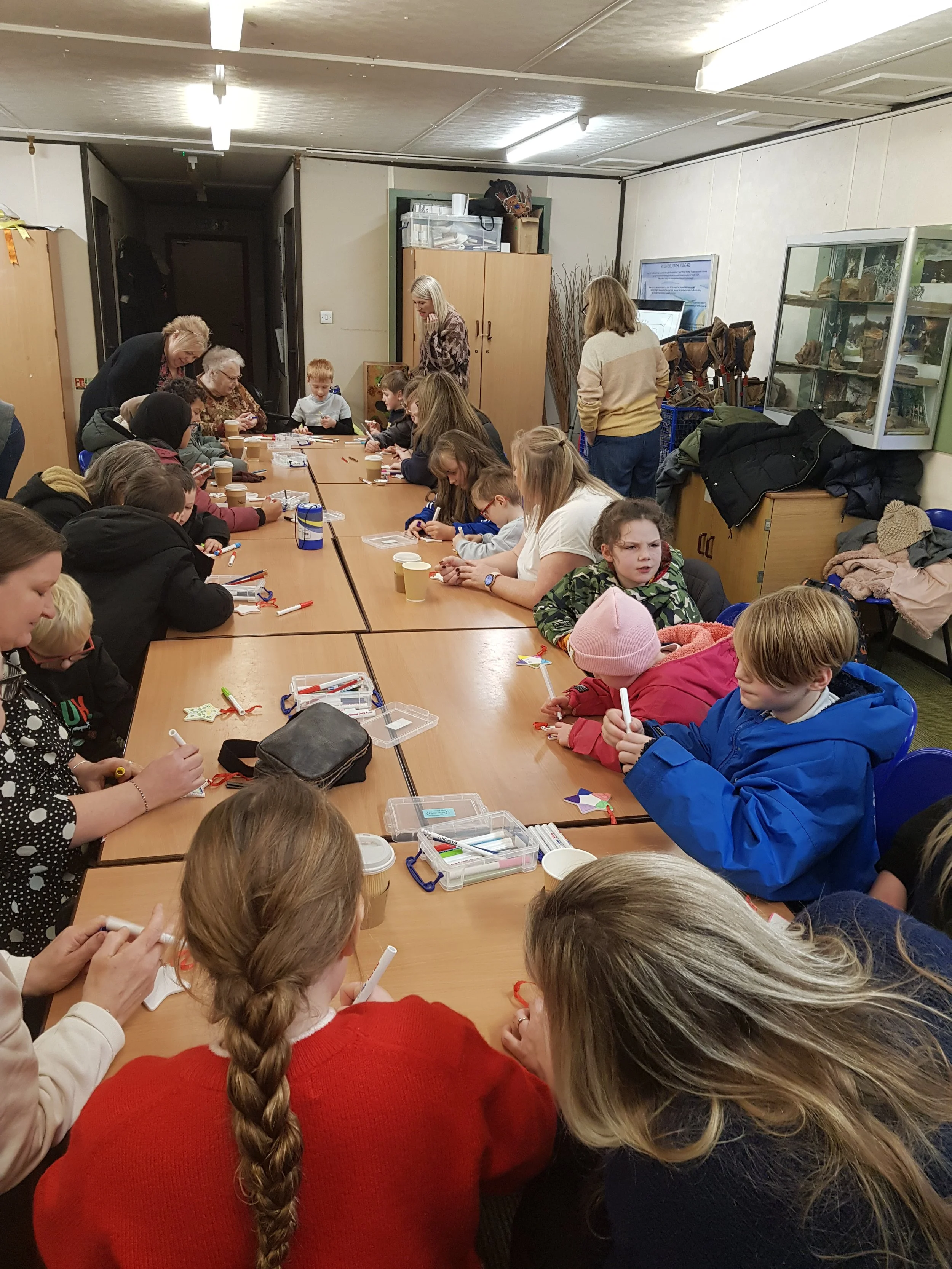
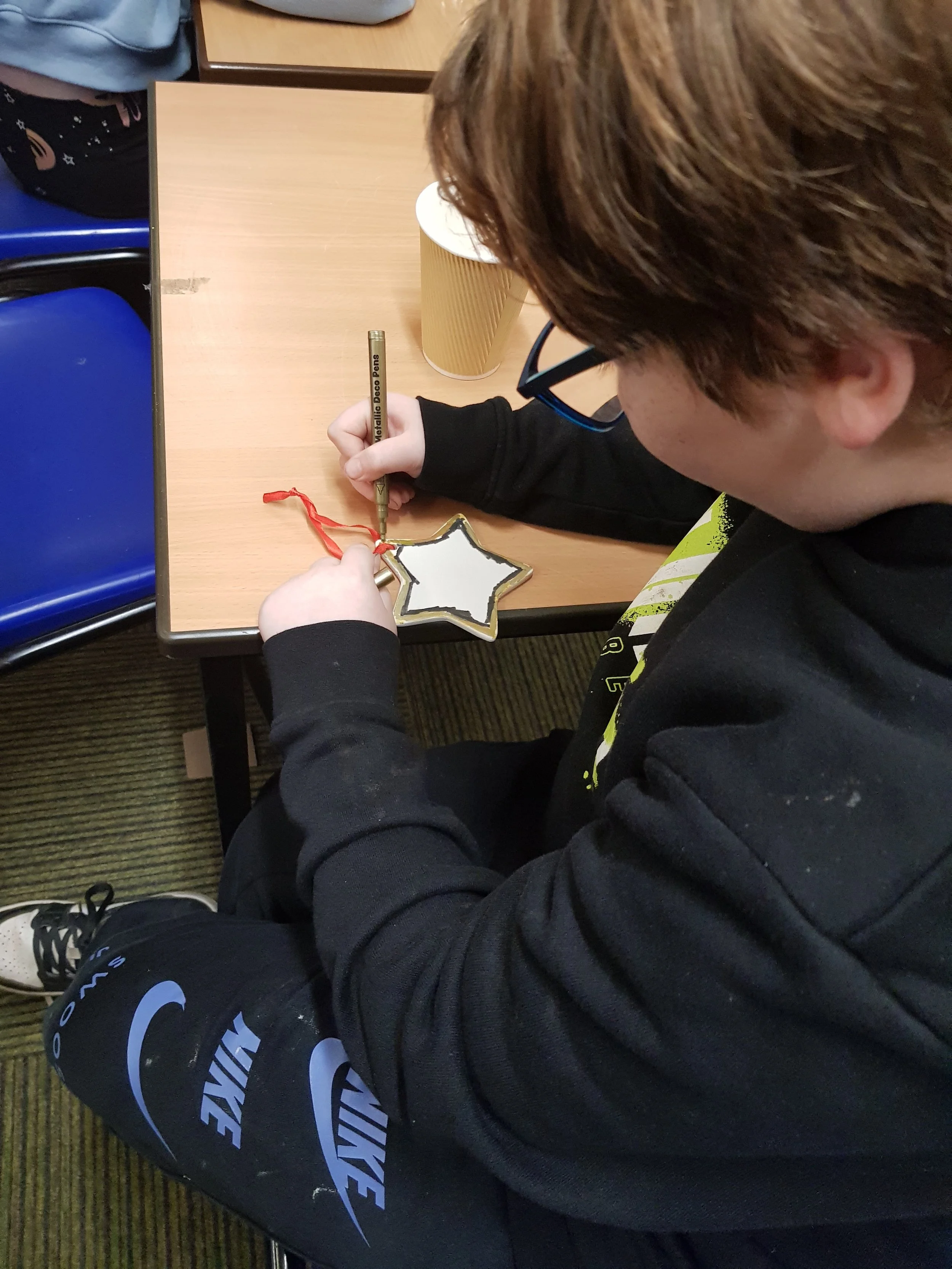
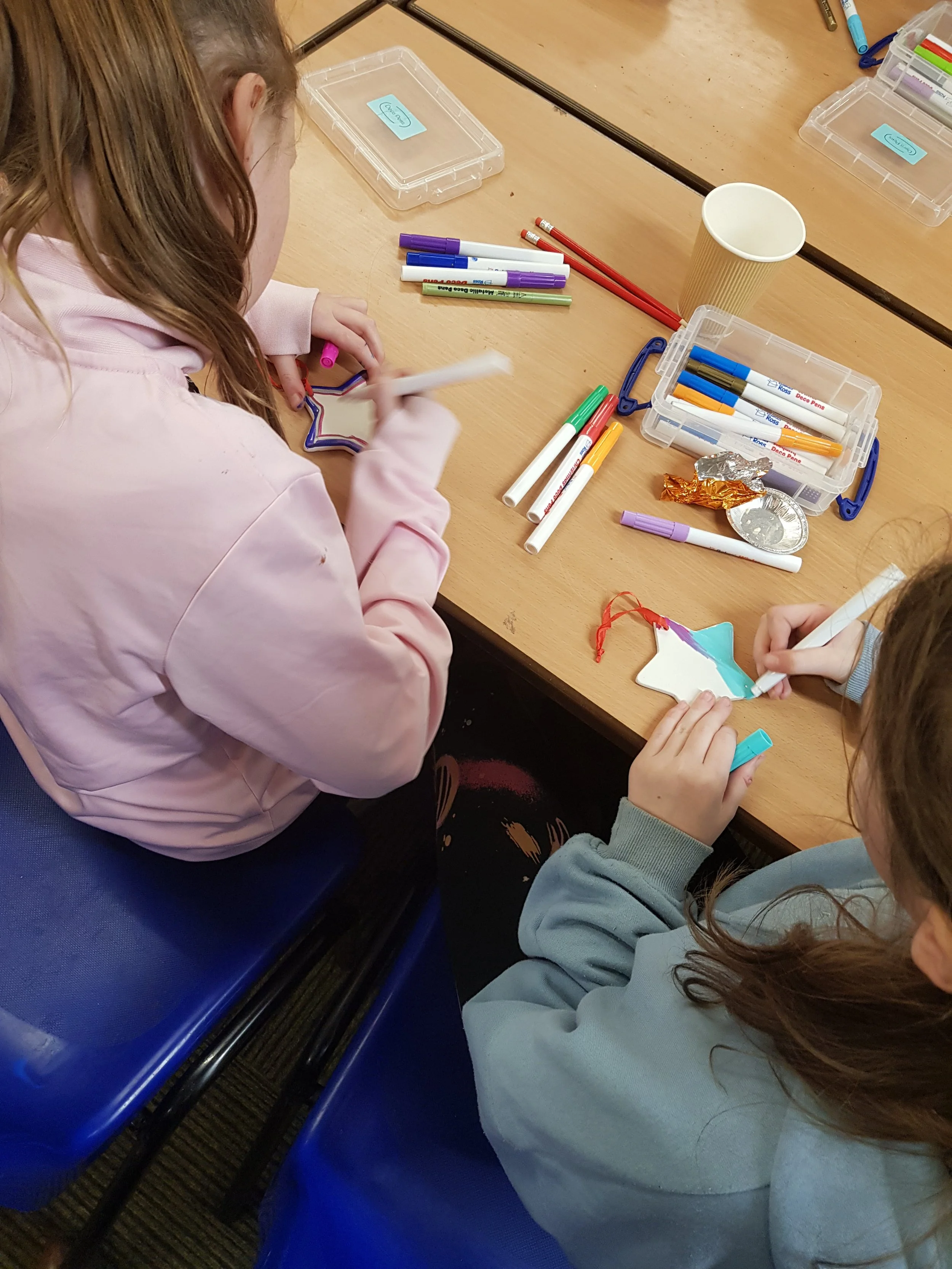
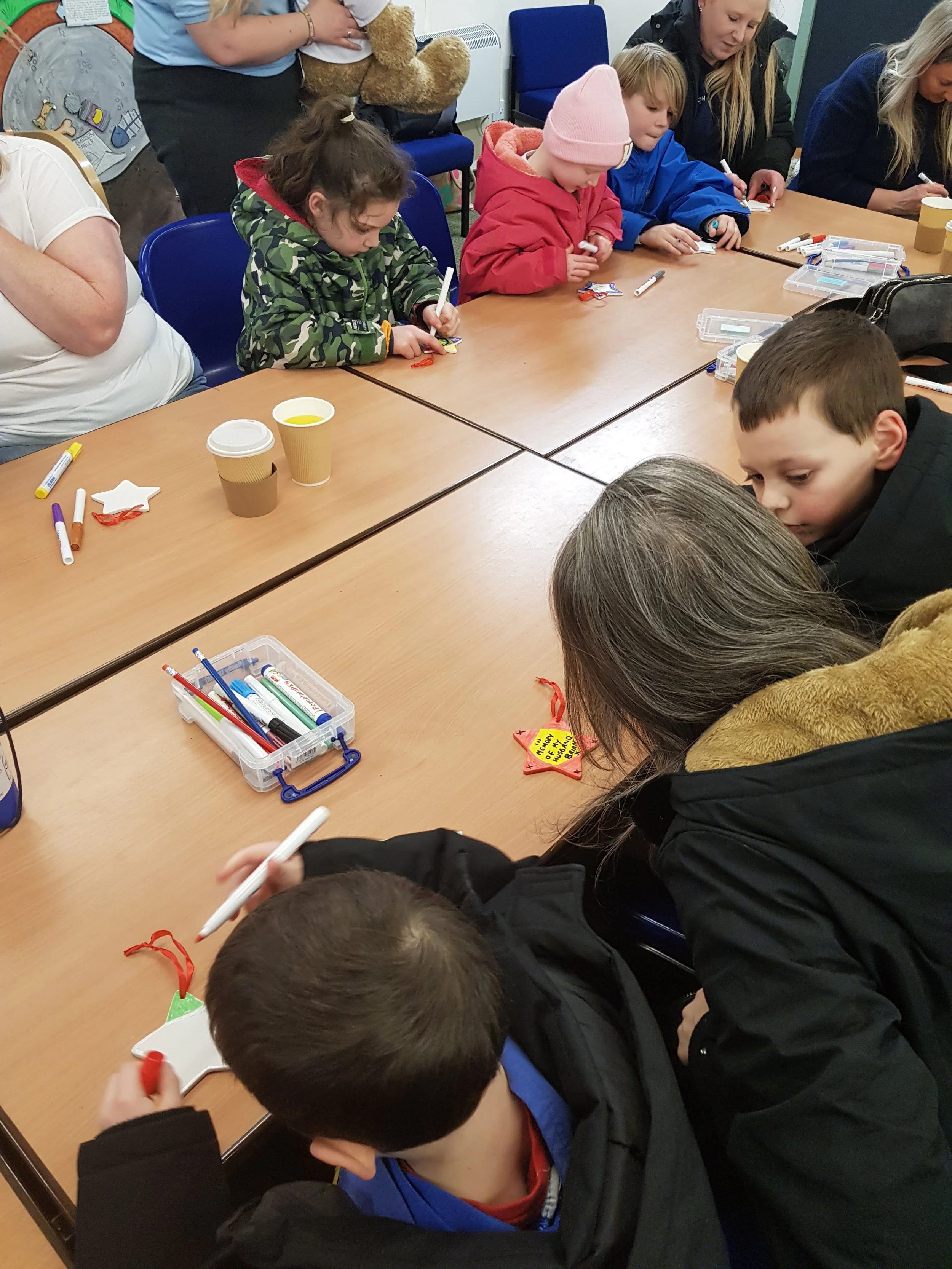
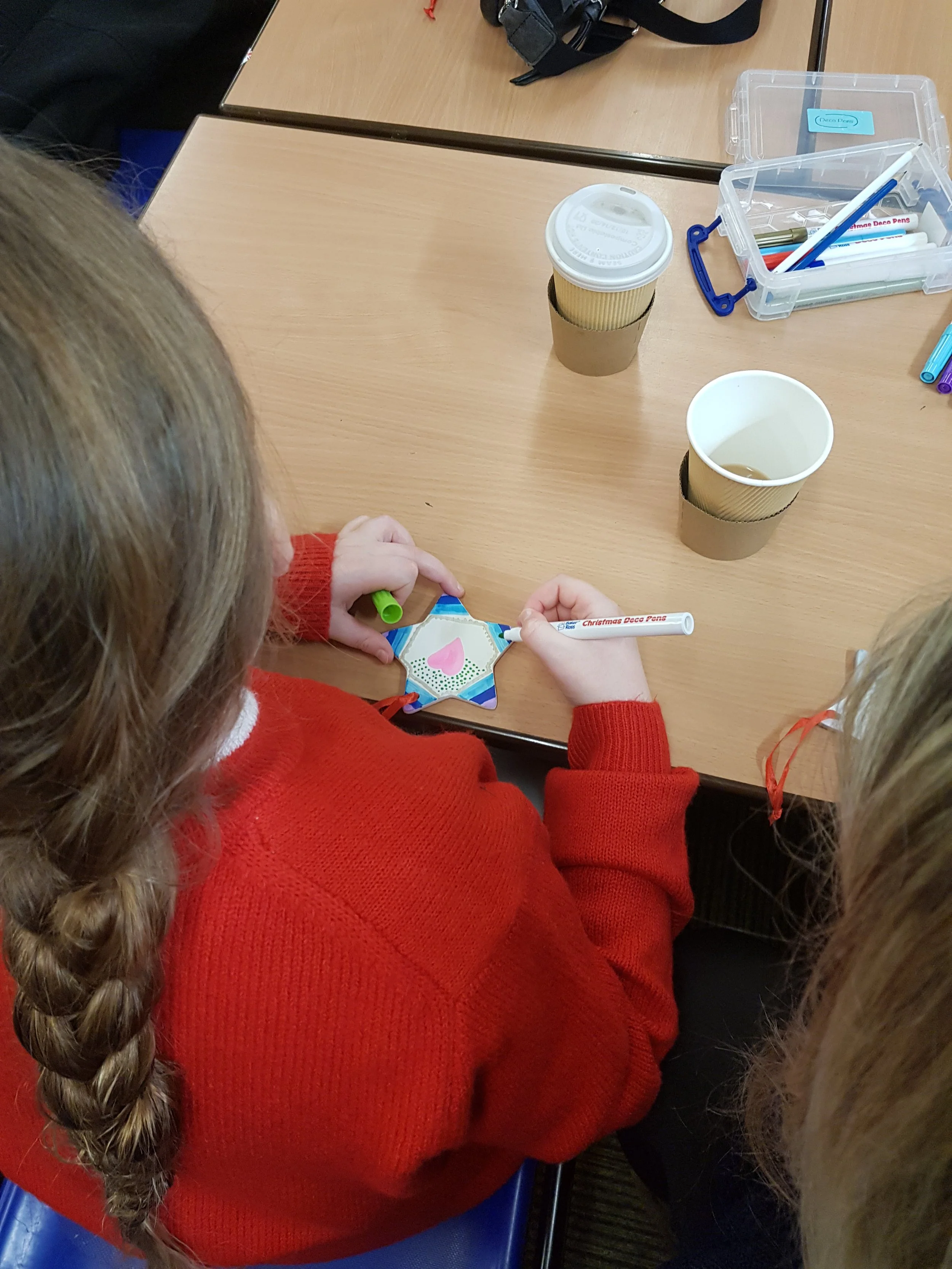
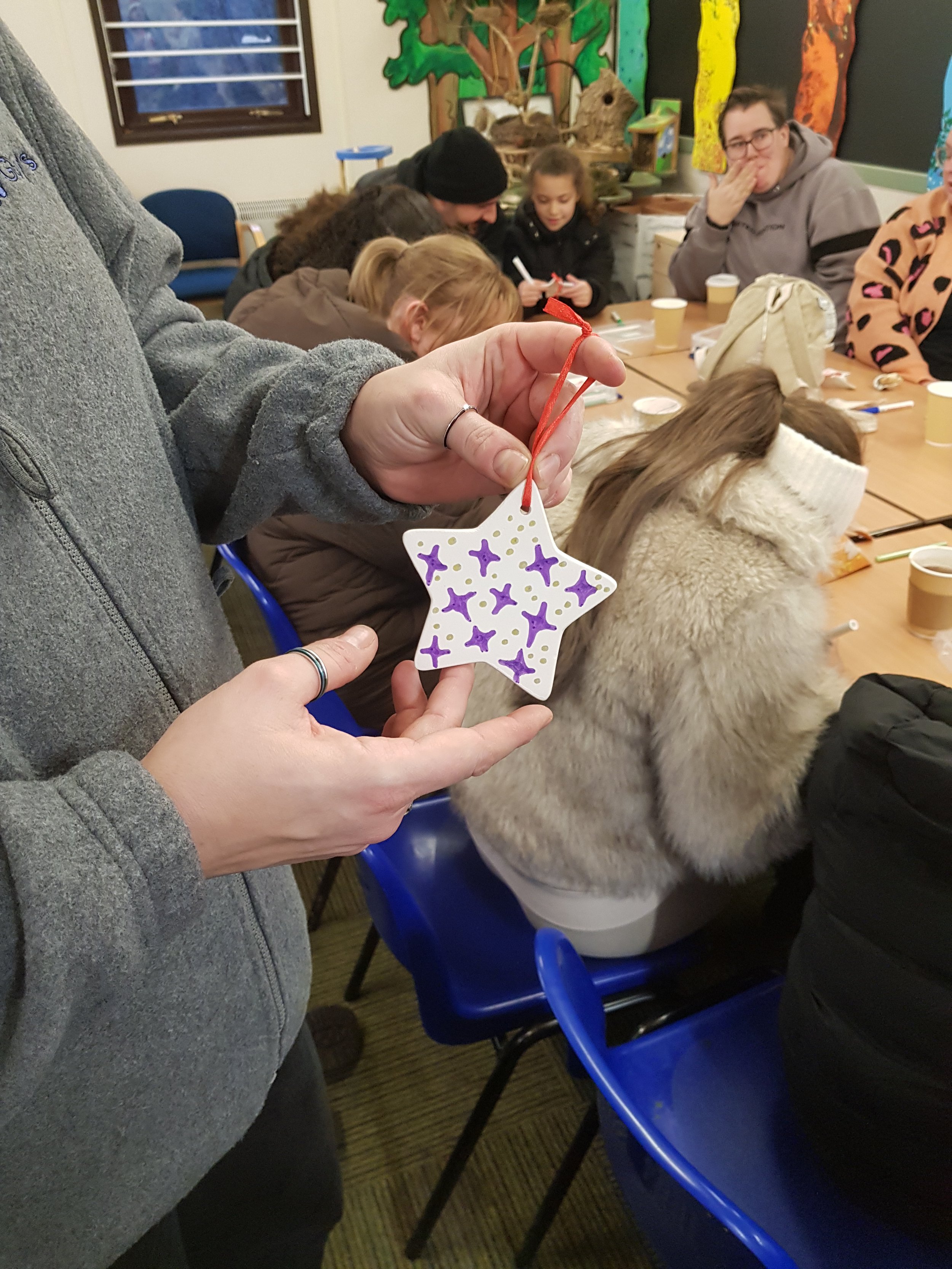
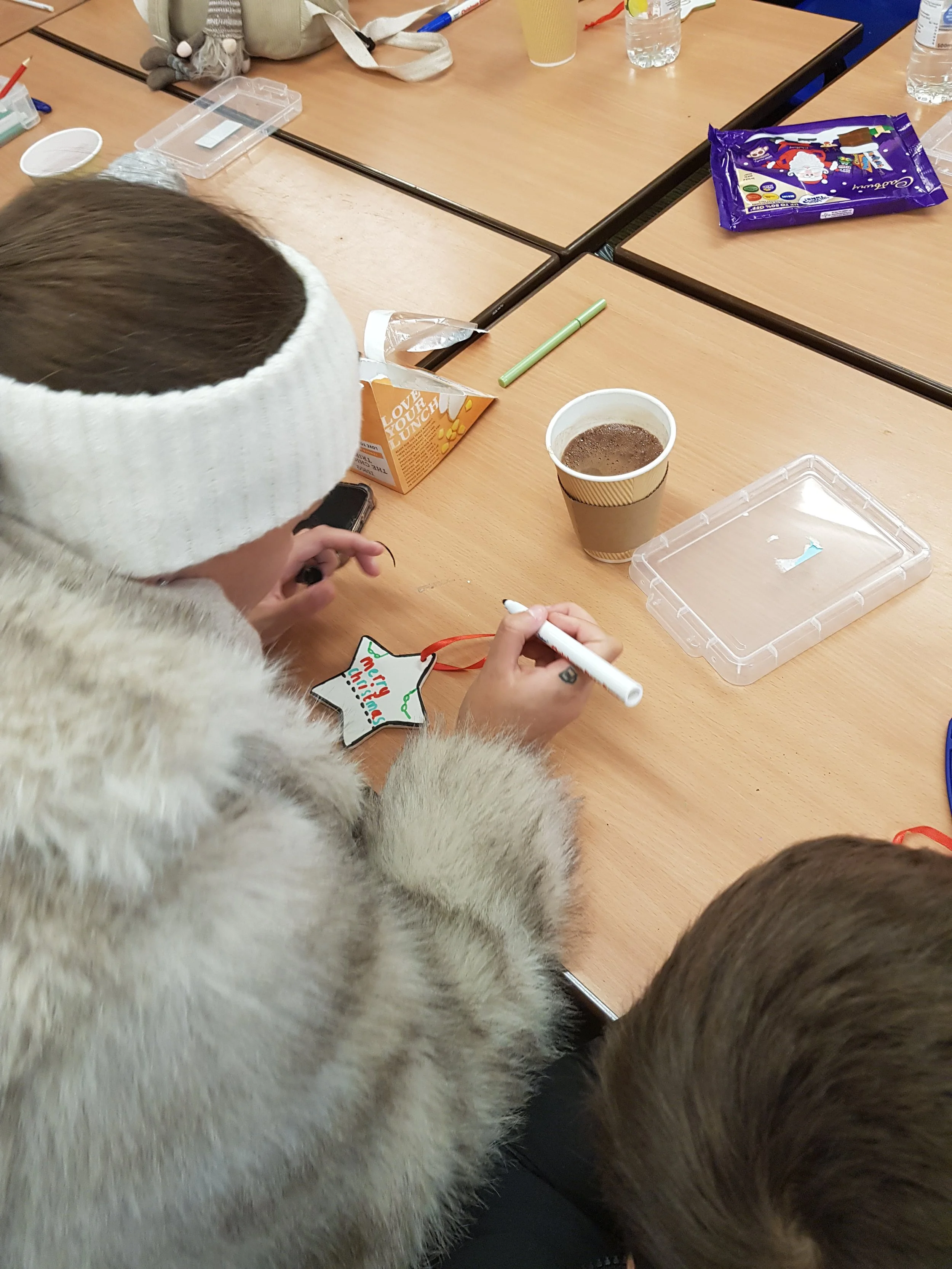
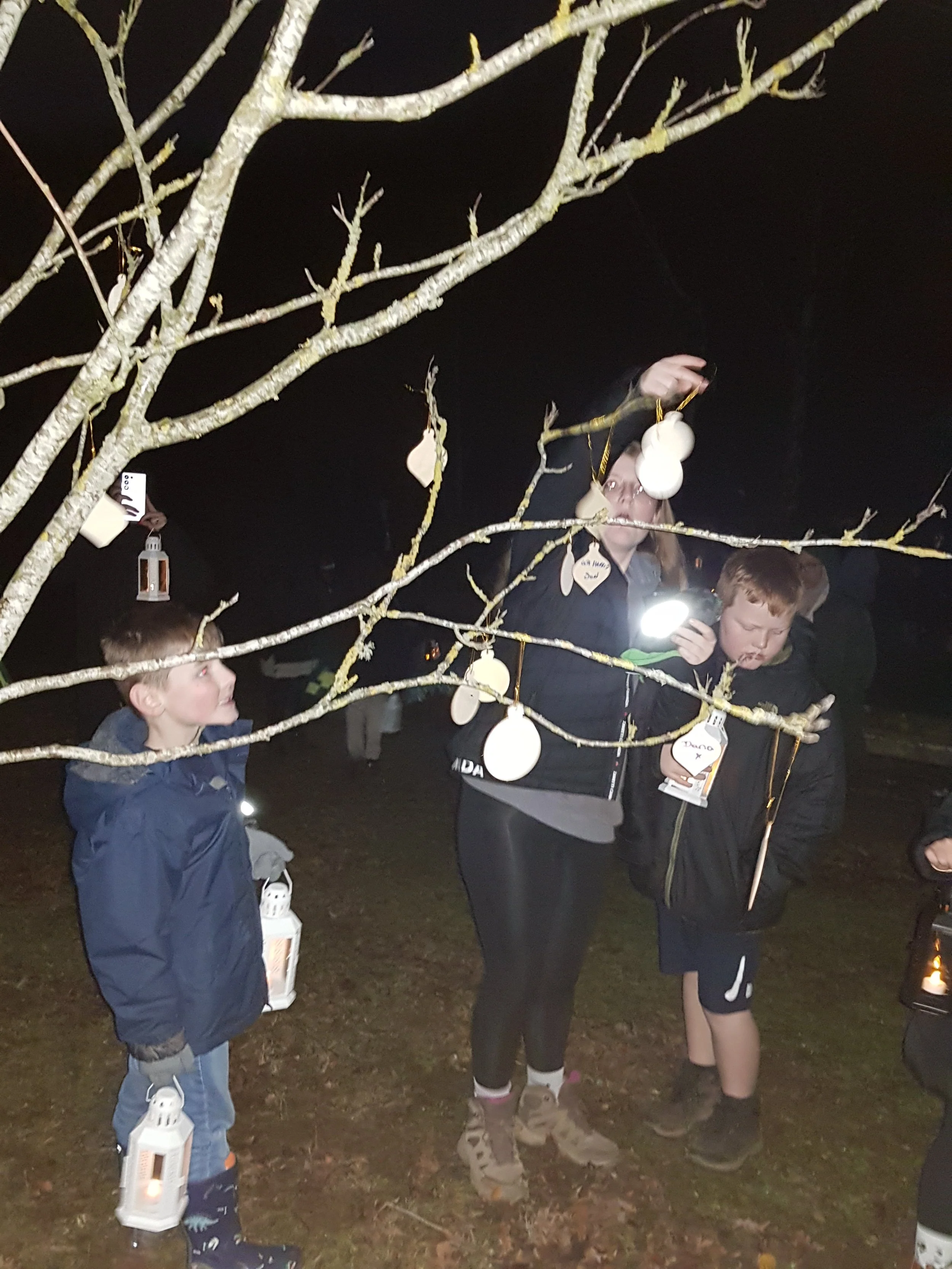
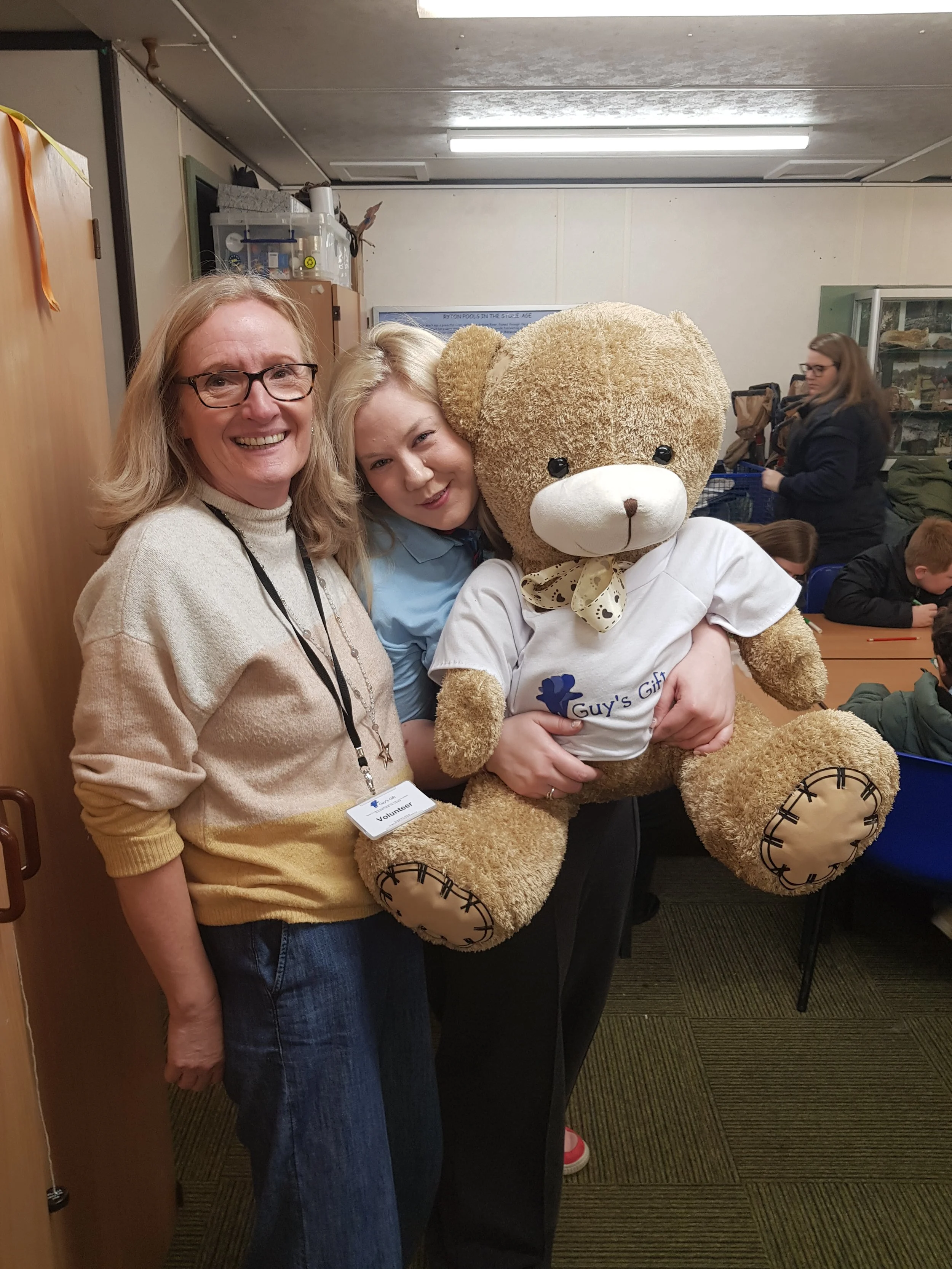
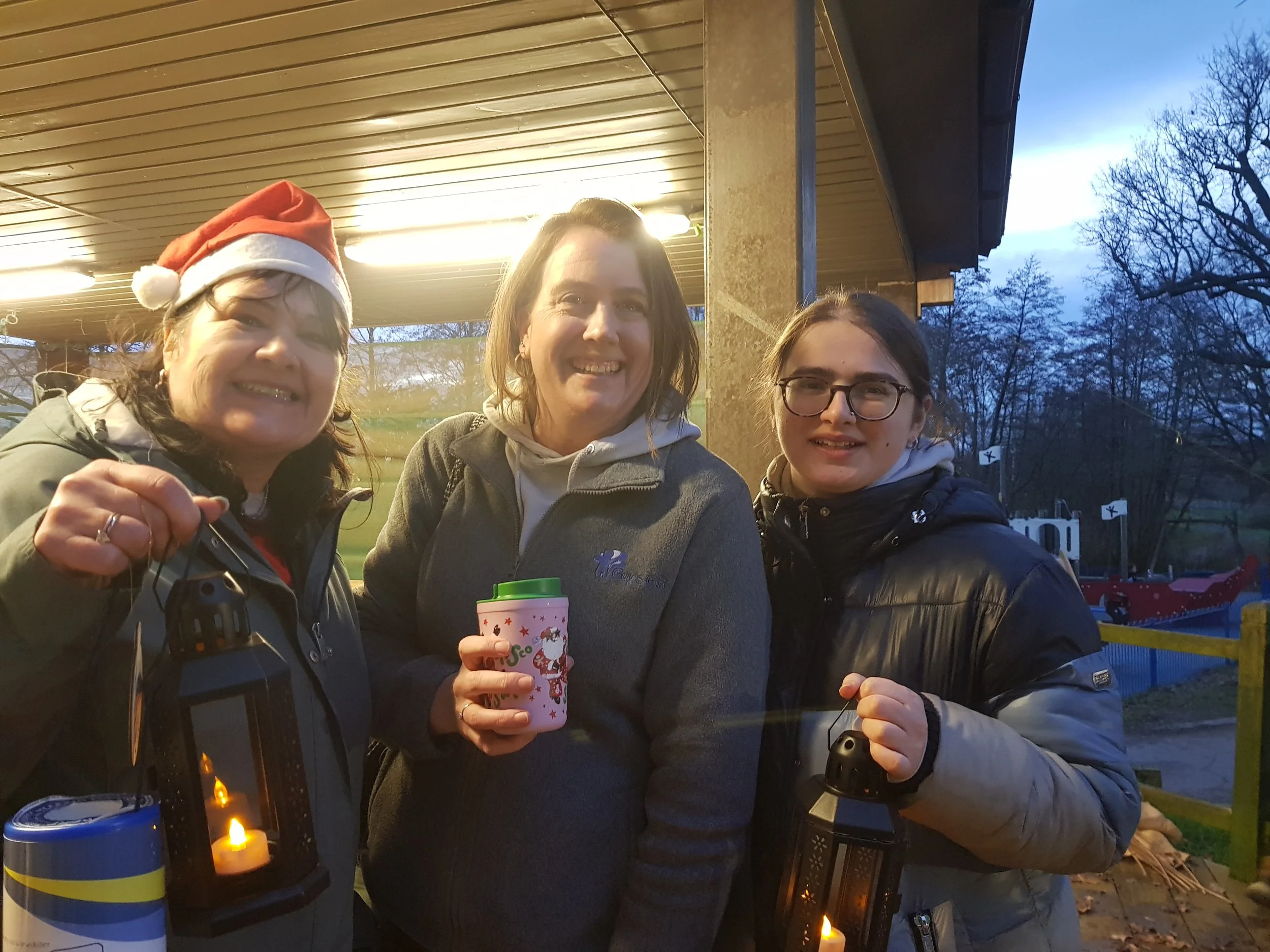
On Sunday 14th December we had our annual walk, this year hosted at Ryton Pools park. It was great to see so many families come together to think about their loved ones and a big thank you to all our volunteers who helped on the day.
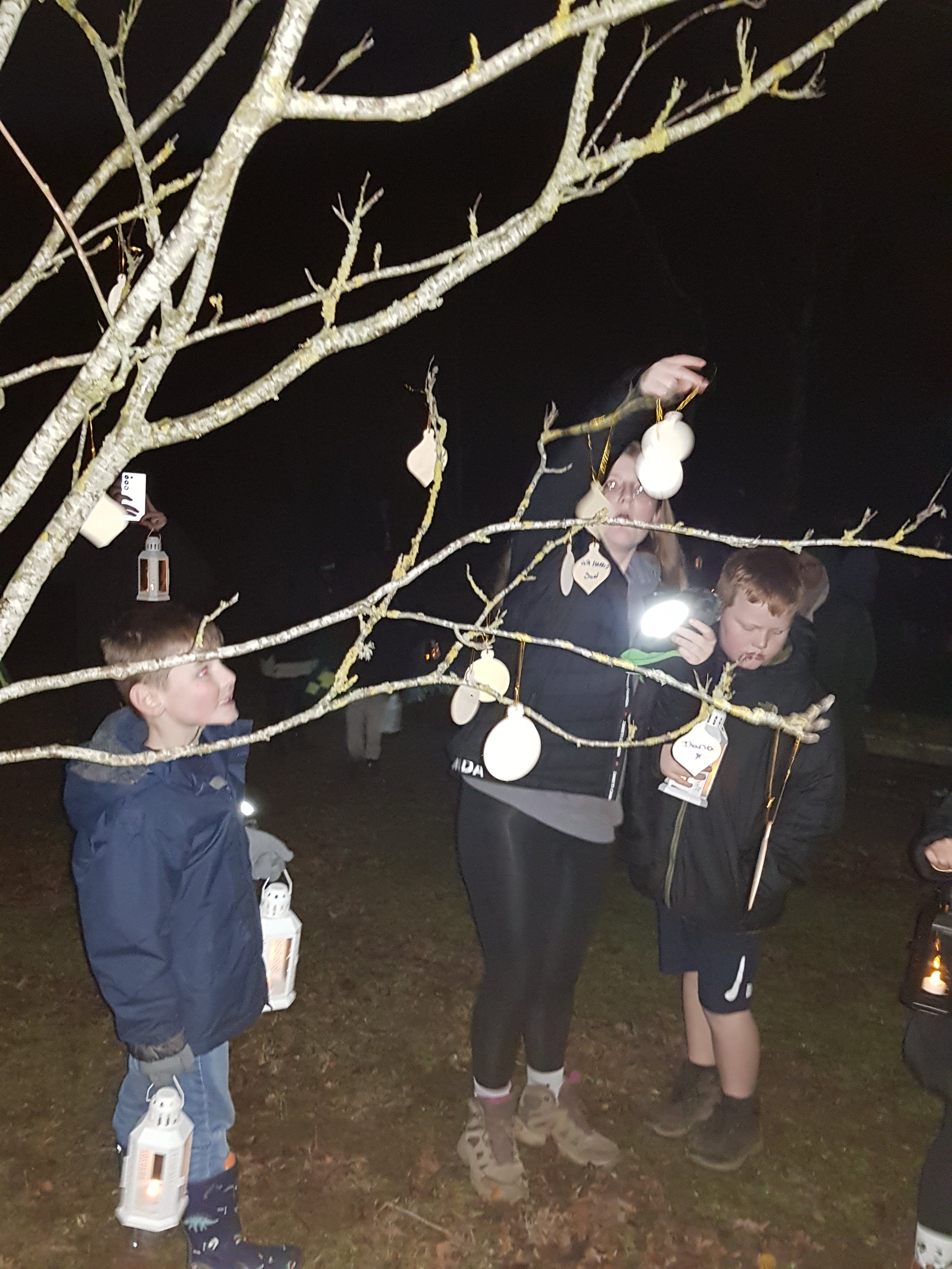
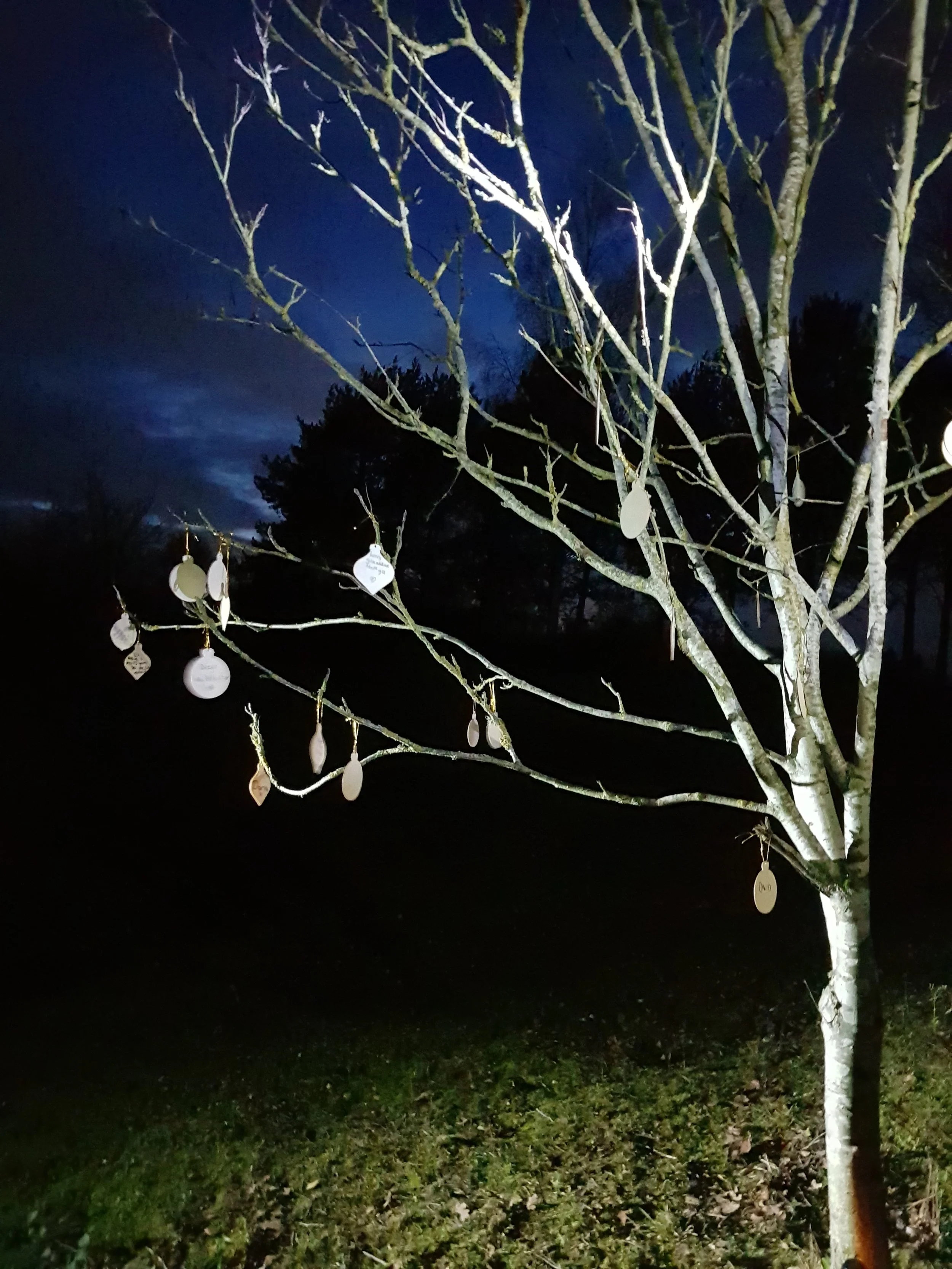
We started off at 3pm with some fun games and ice breakers, with plenty of lovely snacks and hot drinks to warm everyone up. We had a creative activity decorating ceramic baubles. This gave our families a keepsake and allowed them to create a personal decoration in memory of their special person. We enjoyed getting to talk to everyone and learning about what made their bauble special to them.
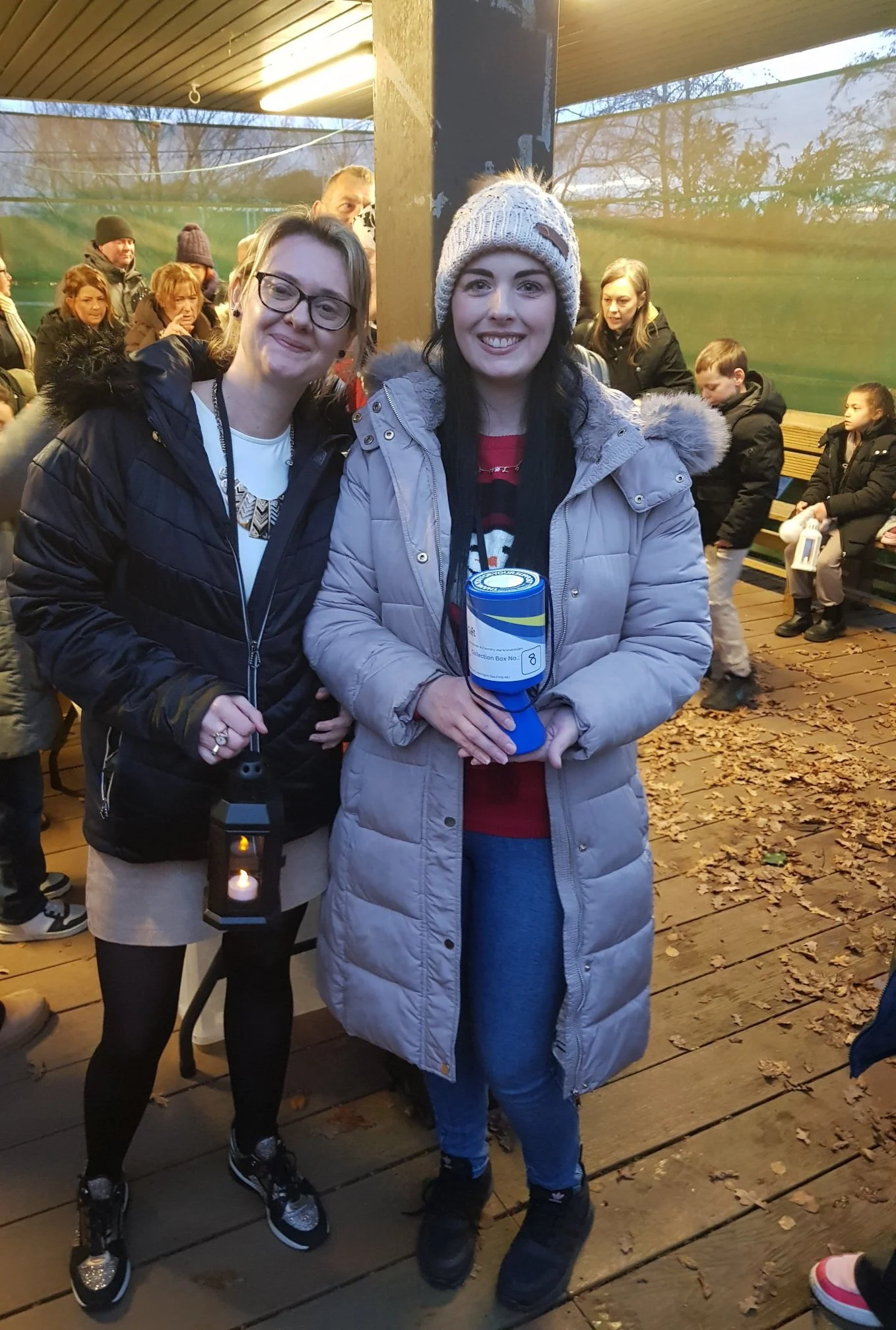
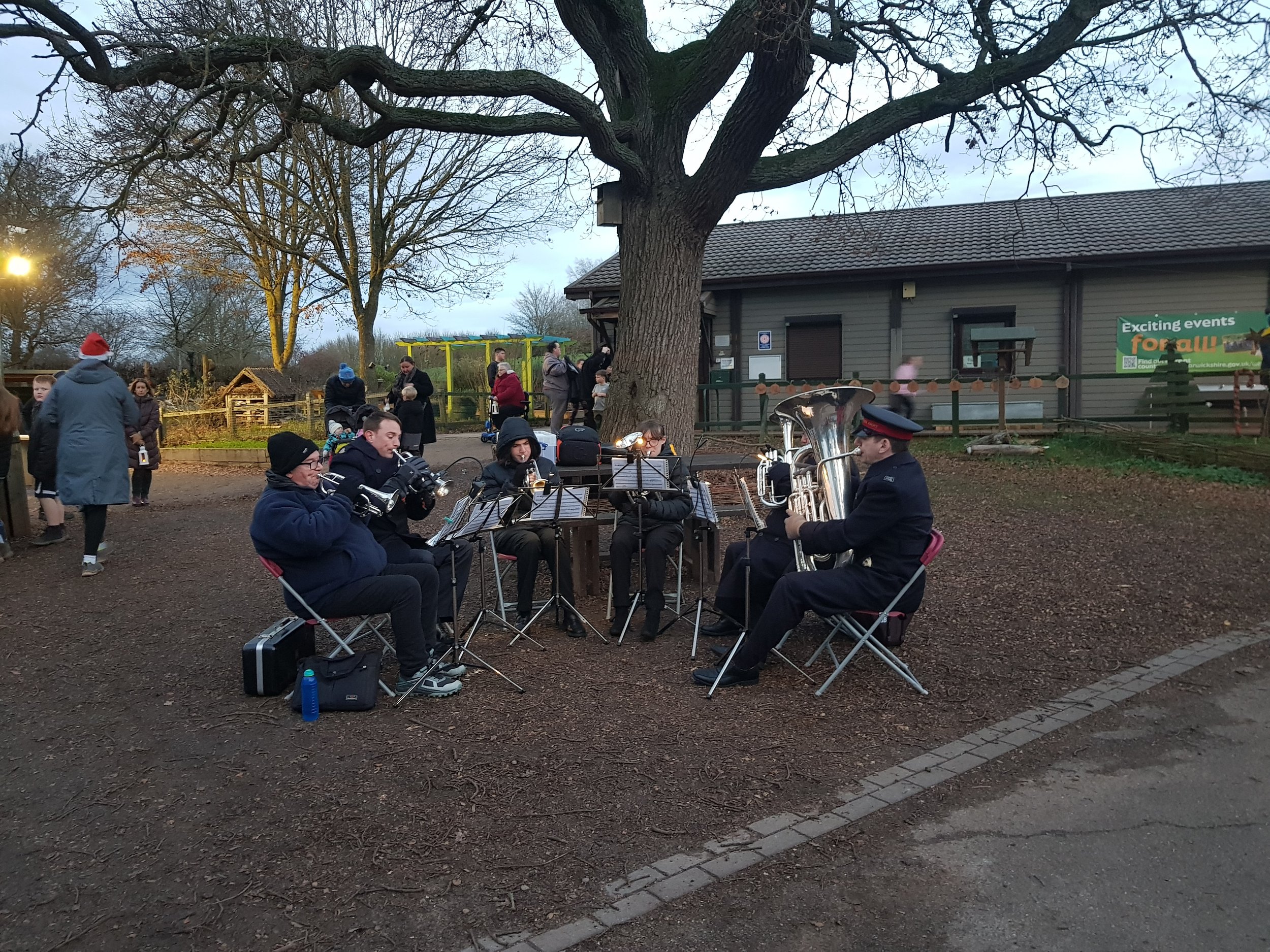
After decorating their baubles, we selected our lanterns. We were lucky to be joined by the Salvation Army band, who played some beautiful music for everyone. We then started our walk around Ryton Pools. Arriving at our chosen space, we invited the families to hang up their baubles on a tree and think about their special person. Rebecca and Libby shared a poem and led a reflection for the group.
We hope you all found the day as special as we did. Another big thank you to all the families who attended and shared the day with us. Our volunteers were also a big help, both from Guy’s Gift and those from outside the organisation who gave up their time to help. The Salvation Army band also provided some lovely music to create a festive atmosphere.
We’re looking forward to our 2026 Lantern Walk already!


Baby Loss Awareness Week 2025
As Baby Loss Awareness week begins, we are joining families everywhere in remembering the babies who have died and will always be a big part of their families.
We are thinking especially of the children who have lost a brother or sister, whether through miscarriage, stillbirth, neonatal death or any other kind of baby loss. Their grief and love matter too.
Here are a few ways to remember a baby/ babies and support a child who is grieving their sibling:
Remembering babies
Use baby’s name when you can, it will help to keep their memory part of the family story
Light a candle, plant a flower or make a memory box together.
Let the child take part – drawing a picture, writing a note or choosing something special to remember their sibling can help them feel included and connected
Supporting siblings:
Be open and honest. Children need clear words and explanations at their developmental age level, this can help them understand what has happened.
Listen and validate. Encourage them to share feelings, or stay quiet if they need to. Every child grieves differently.
Acknowledge their feelings. The difficult feelings are part of the natural responses to loss, like anger, confusion or guilt.
Keep checking in. Grief does not end after few weeks or months. Small moments of connection over time make a difference.
Remember together. Talk about the baby that died, on the anniversaries, birthdays, special events or whenever they come to mind. Their place in the family remains.
This week shines a light on something many families carry in their hearts everyday; the babies who have died and the children learning to live with their grief.

Ellie’s Volunteering Story
Have a read of Ellie’s Volunteering Story to find out about her journey at Guy’s Gift and how she has become the wonderful volunteer that she is today.

I’m Ellie and I have been a volunteer for Guy’s Gift since 2018.
After finishing university, I returned to volunteering for Guy’s Gift, helping at the in-person groups. My family was one of the first that used Guy’s Gift and I have loved seeing the charity grow and help hundreds of families after us.
My Dad passed away in 2010, which was an incredibly difficult time for us.
Guy’s Gift provided support and counselling for me, giving me a safe space to express and process my emotions after losing my dad.

Fifteen years later, that grief has stayed with me but has been easier to carry with time and support that Guy’s Gift provided. Having experienced Guy’s Gift support, I later began volunteering as a teeanger after school to aid with the support groups. I have seen Guy’s Gift grow over the years as the team and charity has expanded, being able to offer more help to those in need.
What I most enjoy about volunteering is seeing how different young people can do the same activities and answer the same prompts with a rich variety of responses. Every salt jar, memory box and group discussion brings something new that reflects their relationship to the person they have lost.

My favourite activity is the stones, taking an ordinary, jagged and special stone and connecting them to our memories. It provides a moment of self-reflection, allows for sharing and can be a great source of comfort. Even I find new memories to hold onto every time I reflect in this way.
I hope anyone who is considering whether to volunteer will find this helpful. Guy’s Gift is an incredibly important service, ran by a lovely team and the help I received at eight has helped me at twenty-three.
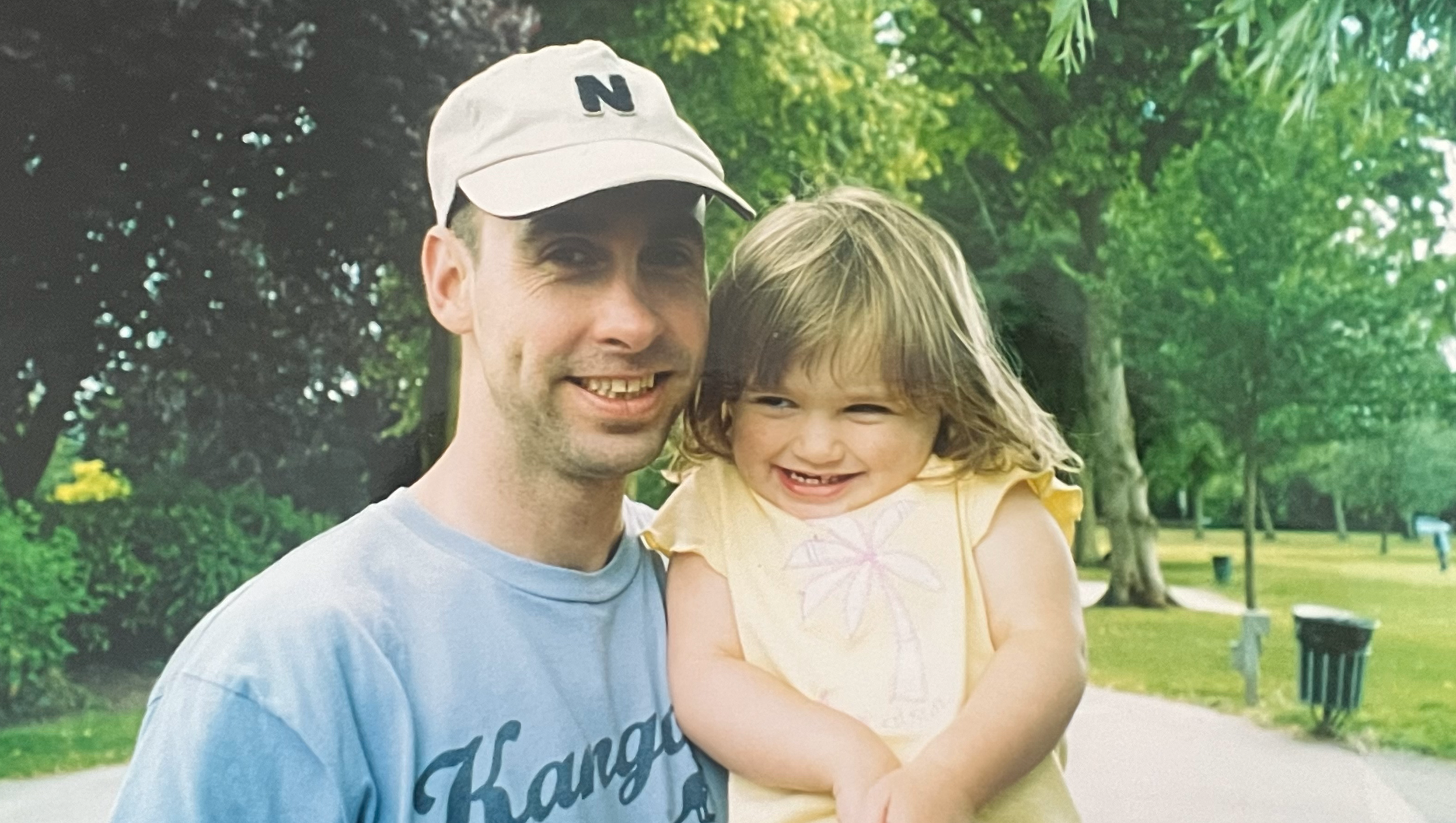
Ellie with her Dad, Neil.
From the team here at Guy’s Gift, we want to say a huge thank you to Ellie for her compassion, empathy and friendship she provides to the children and young people she works with. Ellie provides a supportive, listening ear for those who need it most, and she is wonderful at coming up with new ideas for both the younger children and the teenagers. Ellie has turned her personal experience of grief into a way of helping others, and this hugely reflects her kind nature and dedication to helping others. Thank you for being you!
Feeling inspired by Ellie’s story? Head over to our website to read about our volunteering opportunities, and complete an application form via the link below:
We rely on donations to keep Guy’s Gift support available to children and young people when they need it.
If you shop online, you can raise funds for Guy’s Gift when you shop via Give As You Live.

Or maybe you would like to donate directly through our Virgin Money Giving page, or set up a fundraiser?
