
Supporting Children and Young People Through Grief
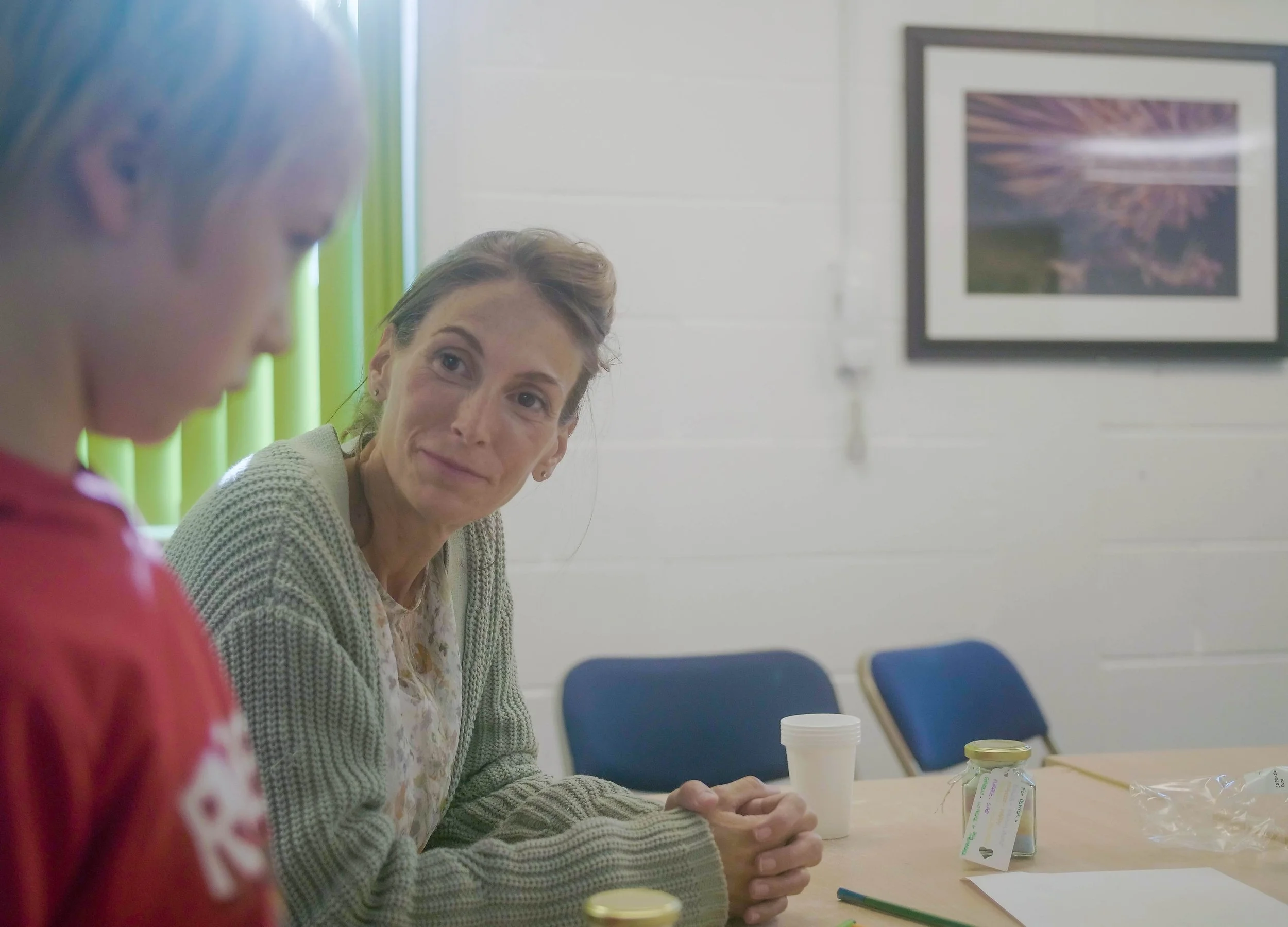
Grief touches every life at some point, yet it can feel especially confusing for children and young people. When someone close to them dies, whether a family member, a friend, or a much-loved pet, children may struggle to understand what has happened or how to express their feelings.
As adults, it's natural to want to make things better or take the pain away. It's important to recognise that we cannot remove the grief, but we can help children feel safer, supported, and less alone as they navigate their own way through it.
How Does Grief Show Up for Children?
Children experience grief differently from adults and their reactions can be surprising or difficult to understand. There is no ‘right’ way for a child to grieve.
Common emotional and behavioural reactions may include:
Sadness or tearfulness
Anger, frustration, irritability
Confusion, lots of questions
Anxiety, worries about further loss
Changes in behaviour, sleep or appetite
Becoming quieter or more withdrawn
Wanting extra reassurance or comfort
Moments of play, laughter, and seeming "okay"

Unlike adults, children may grieve in short bursts and move in and out of grief very quickly - they may laugh one moment and feel very sad the next. This is often how young people cope with emotions that feel too big to hold all at once.
Children are likely to express grief through behaviour rather than in words. Changes in mood, concentration or behaviour are often a child's way of communicating their feelings. As their understanding depends, they may visit their grief again and again. A loss that felt confusing at a younger age may feel or show up very differently years later.
A child's age and stage of development can influence how they understand loss.
Younger children may not fully understand that death is permanent. They make ask the same questions repeatedly while they try and make sense of what has happened.
Primary-aged children may understand more, but still struggle to express their feelings. They might worry about upsetting others or feel guilty about their emotions.
Teenagers often understand the reality of loss but may hide their feelings, wanting to appear strong or independent. They may experience intense emotions while finding it hard to ask for support.
At every age, children need reassurance, patience and honest, age-appropriate explanations. You can read more in our information sheet here.
What Can Help Children Cope With Grief?
Every young person's journey through grief is unique, but some gentle approaches can help support emotional wellbeing:
Calm, honest communication
Use clear, simple language and be guided by what the child asks. It's OK to not have all the answers, listening and being present matters more.
Making space for all feelings
Let children know that all feelings are allowed, including sadness, anger, confusion, and even moments of happiness. Grief does not look the same for everyone.
Keeping routines where possible
When life feels uncertain, familiar routines can help children feel safe and grounded.
Encouraging expression
Some children find it easier to express their feelings through drawing, writing, play, music, or being outdoors rather than directly talking about their grief.
Remembering together
Sharing memories, telling stories, looking at photos, or creating a memory box can help children feel connected to the person or pet they’ve lost.
Reaching out for support
Guy’s Gift is here to help. Our passionate team provide reassurance and support to bereaving children and young people aged 5-25 across Coventry and Warwickshire. Find out more about our services here.
Every Child's Grief Journey is Unique
There is no timeline for grief, and no correct way to "move on". Some children may talk about their loss, others may keep their feelings inside. Some may need support straight away, others may need it later on in life. What matters most is that children feel accepted, understood and supported at their own pace.
Grief can feel heavy and lonely, but children do not have to carry it on their own. With time, patience and caring adults around them, children and young people can learn to live alongside their grief while continuing to grow.
Healing does not mean forgetting. It means finding ways to hold love, memories and hope together.
If you are supporting a grieving child, know that your kindness, presence and willingness to listen will make a difference, even when the words are hard to find.
To talk with a member of the team at Guy's Gift and find out more about how we can offer support for grieving children and young people, please call 0845 467 3035 or email info@guysgift.co.uk.
This post has been written by one of our fabulous volunteers, Molly Moore. Outside of her volunteering with Guy’s Gift, Molly works in the third sector as a Children’s Independent Domestic Violence Advocate.